





American War of Independence Era**Extremely Rare .67 Pistol Bore Officers Fusil Brown Bess, Number 7 by Hirst. Sn - 23230:2 American War of Independence Era**Extremely Rare .67 Pistol Bore Officers Fusil Brown Bess, Number 7 by Hirst. Sn - 23230:2 Muzzleloader Various Rifle
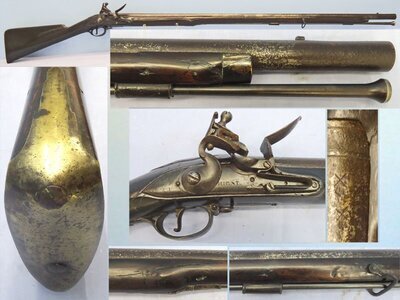
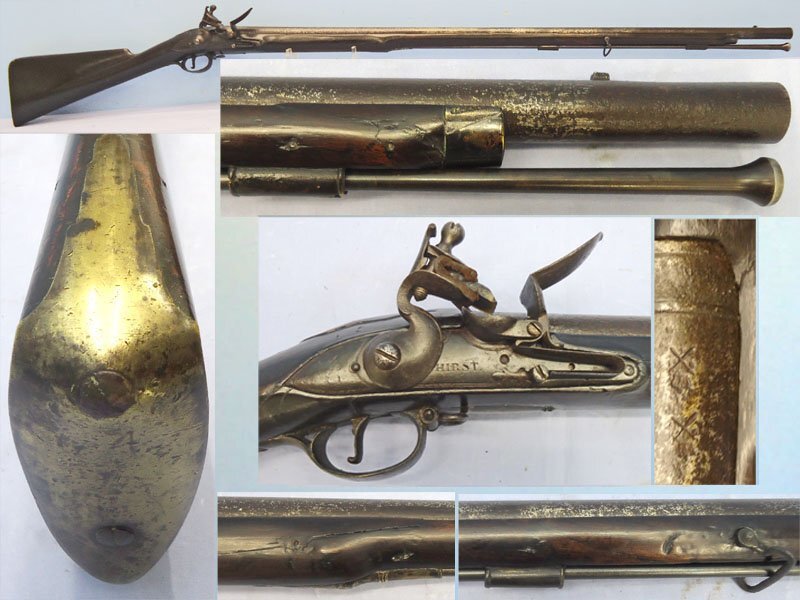
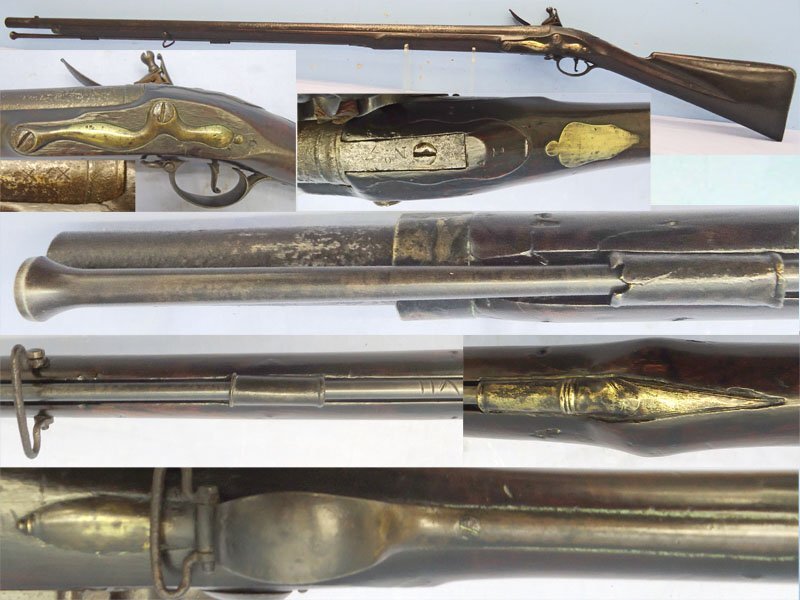
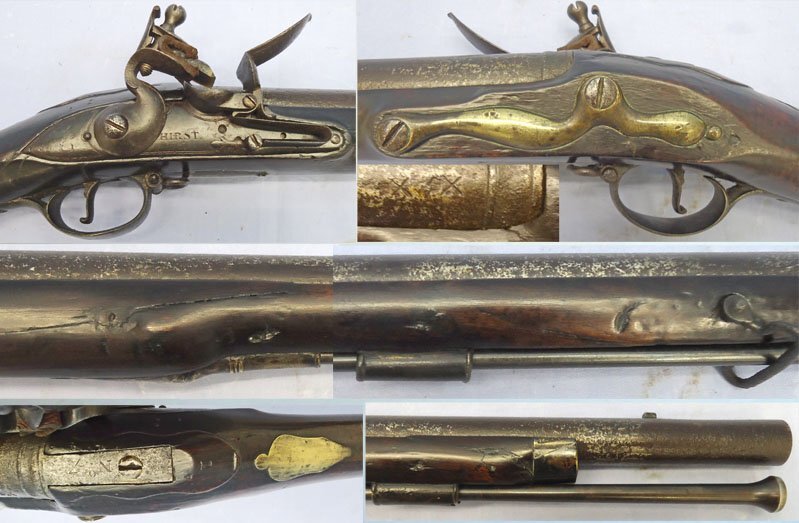
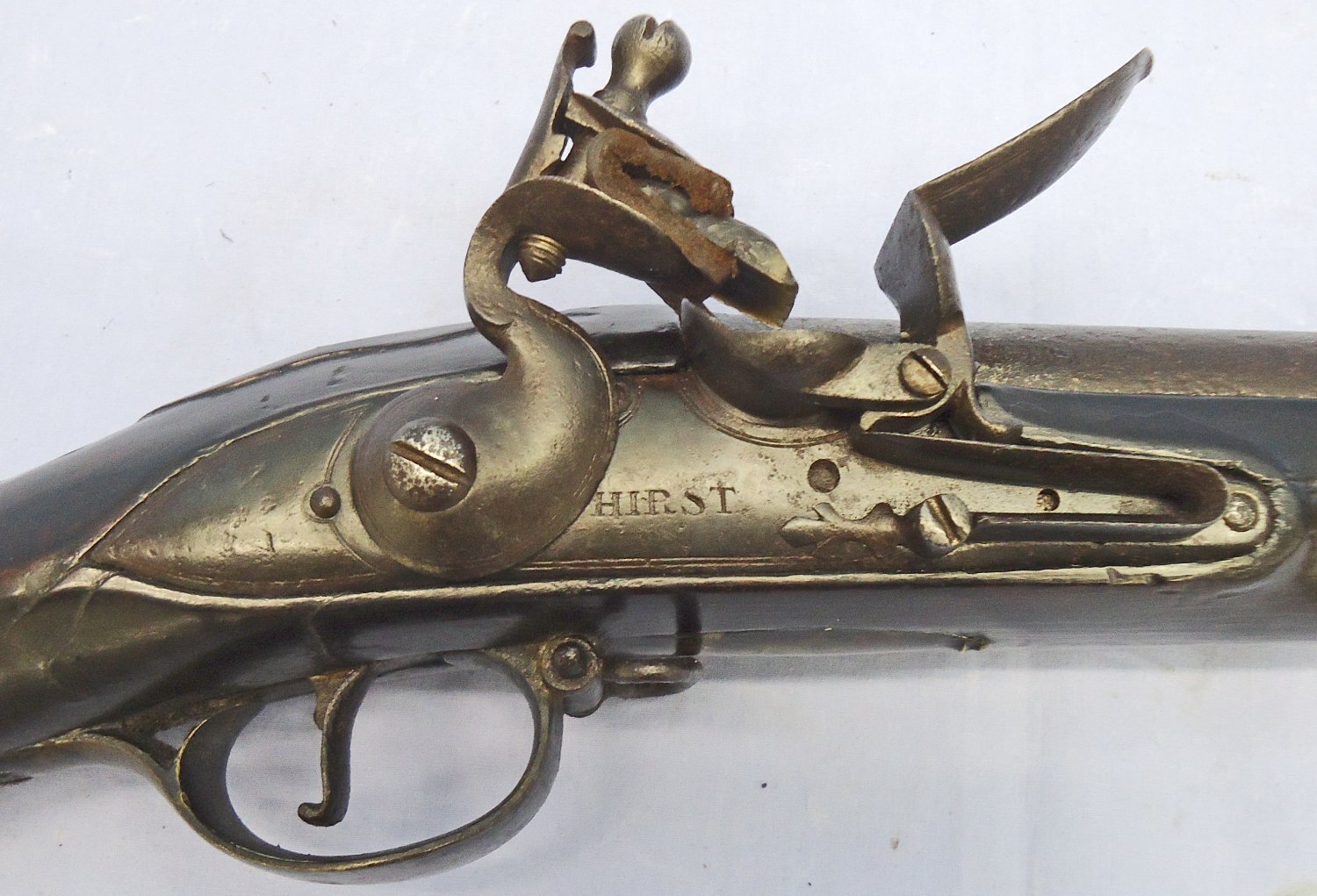
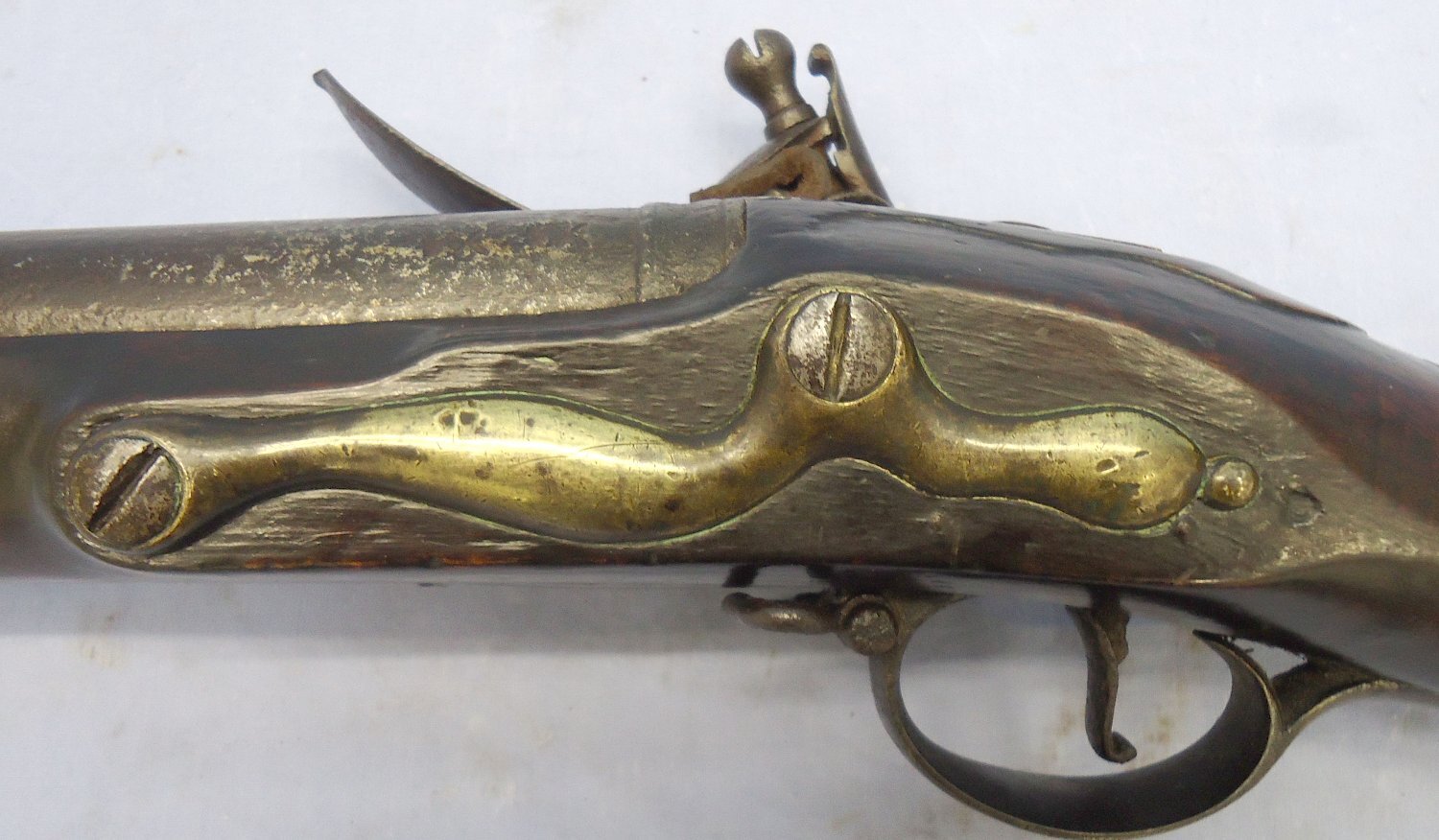
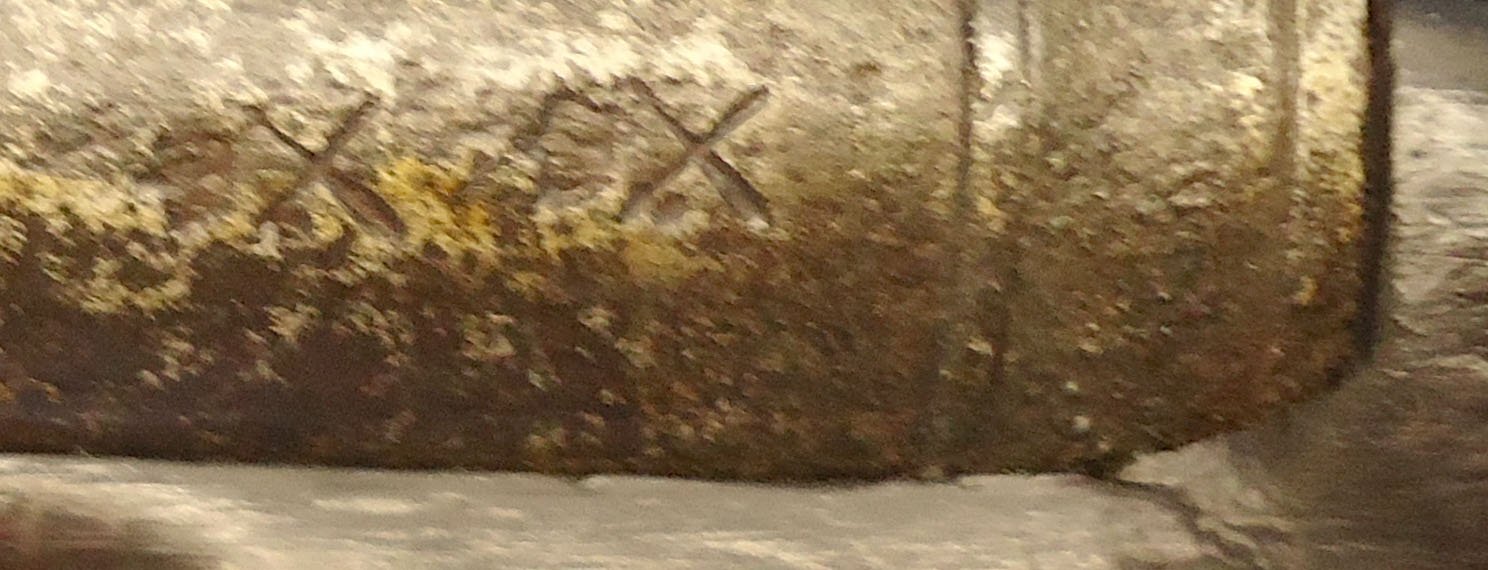
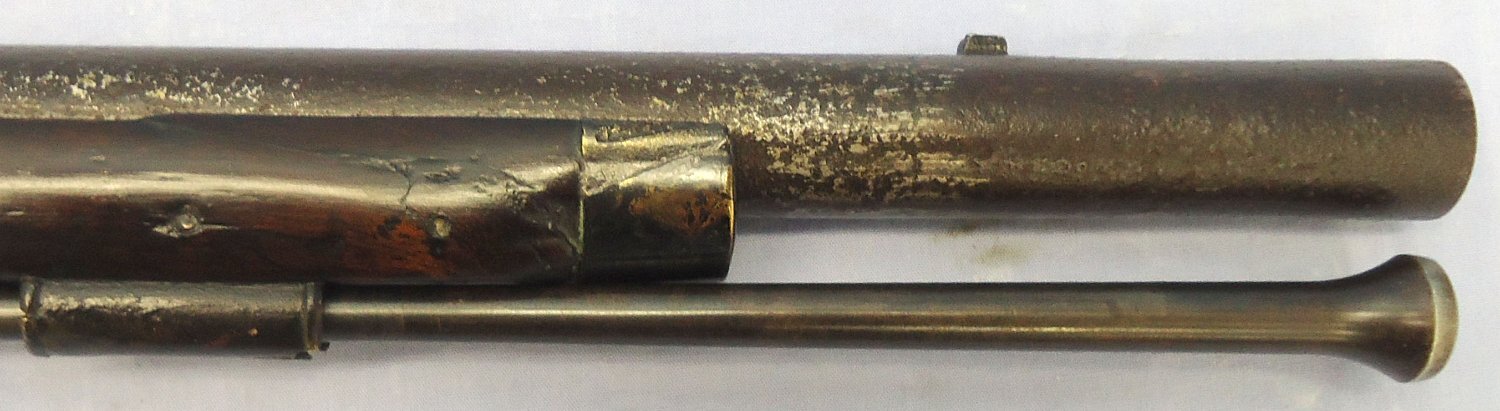
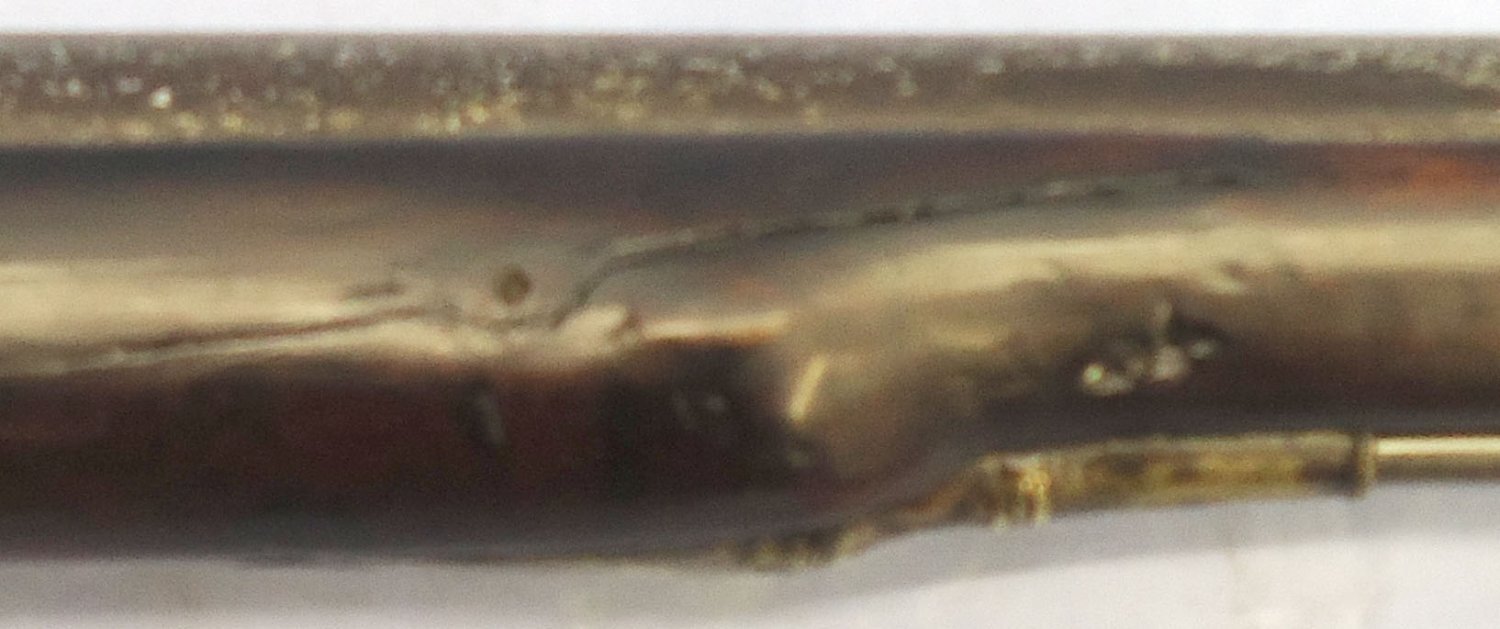
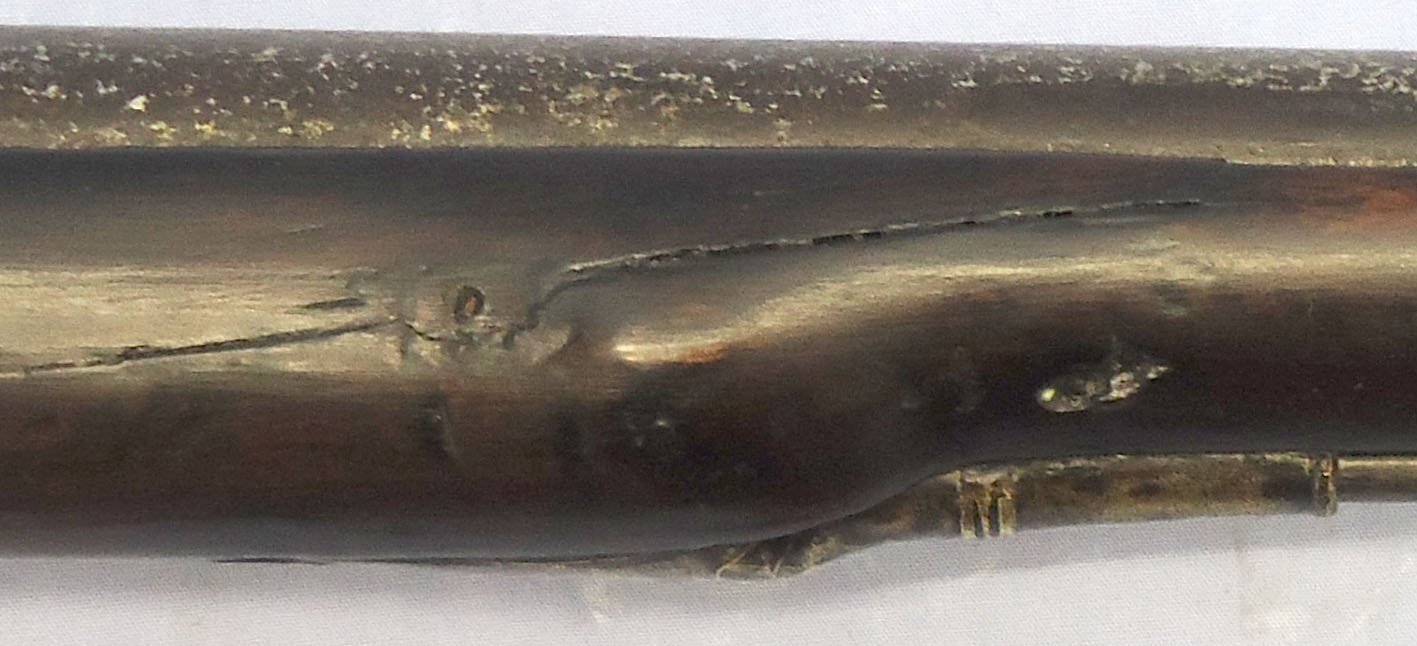
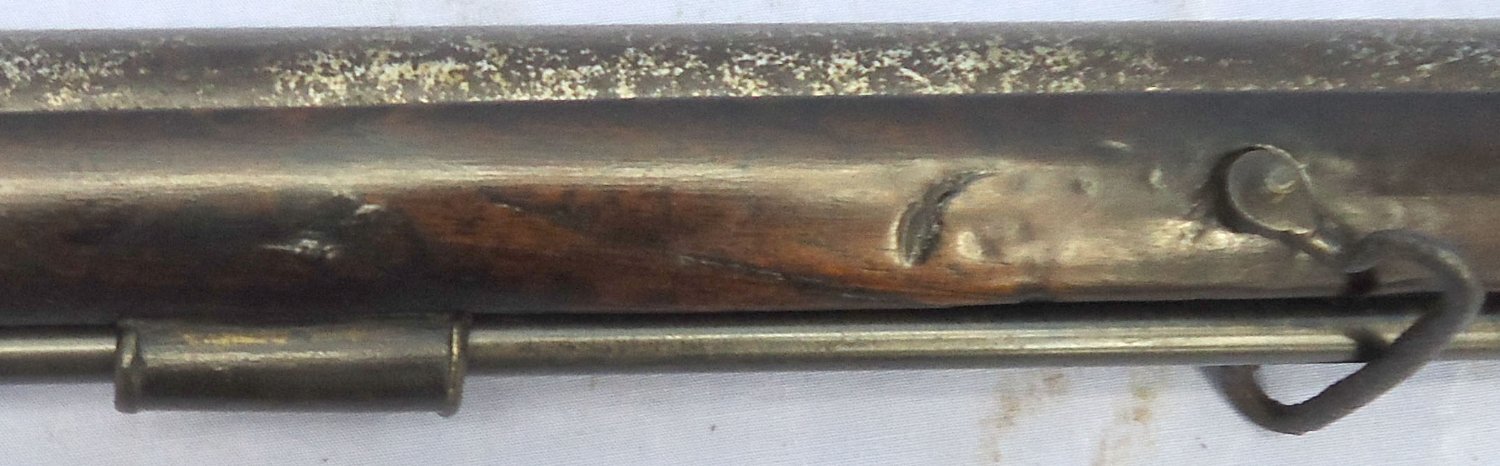
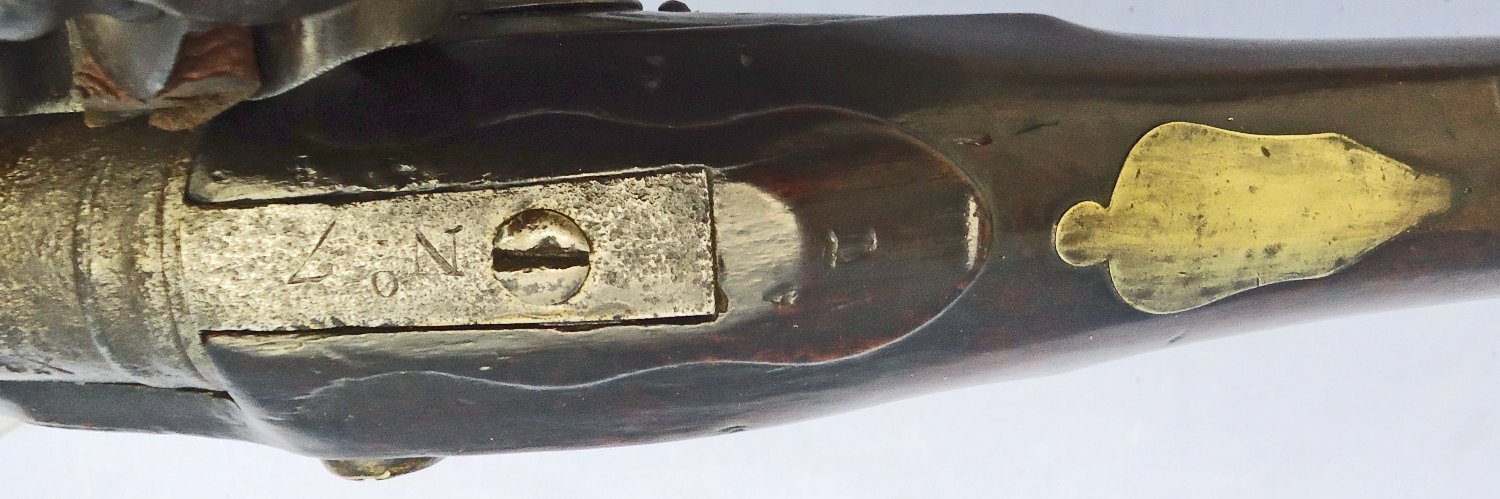
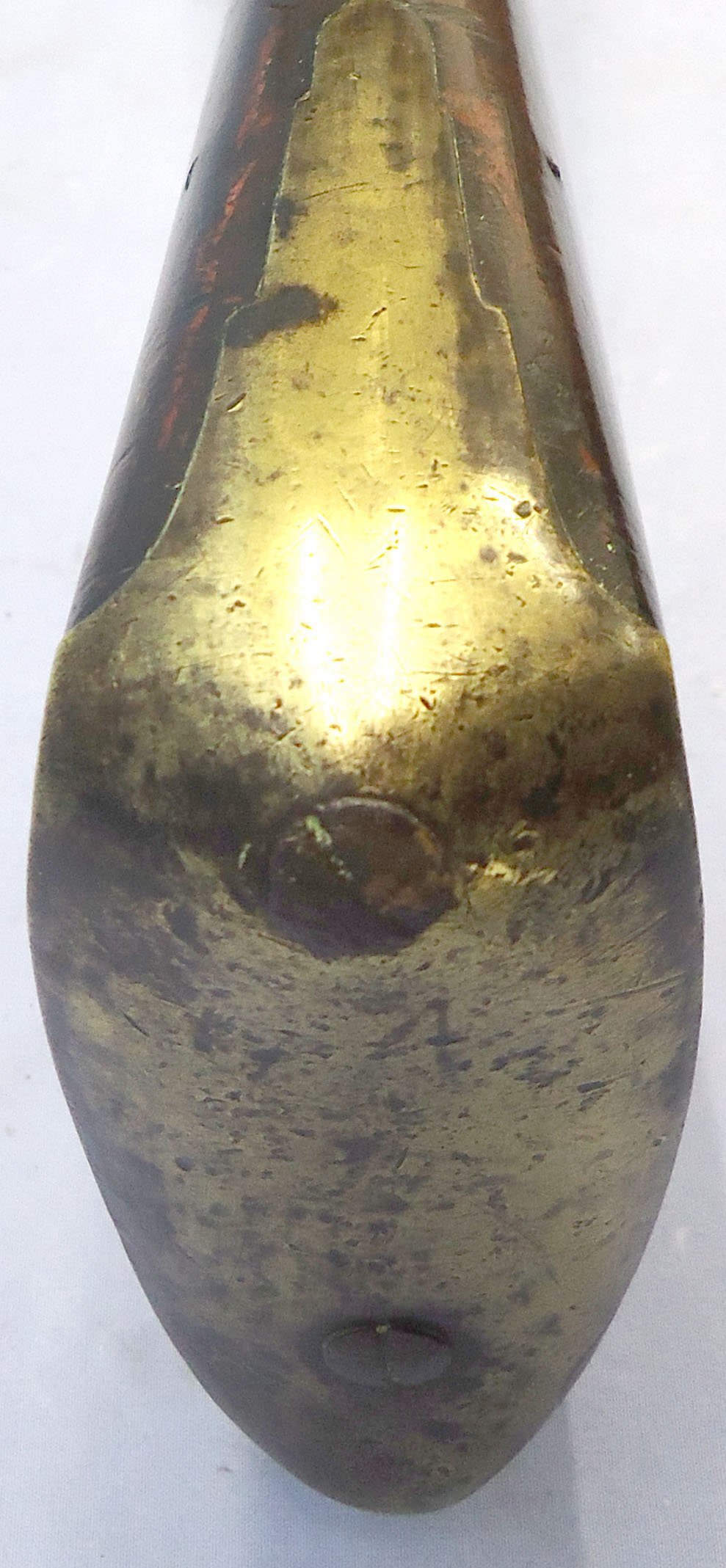
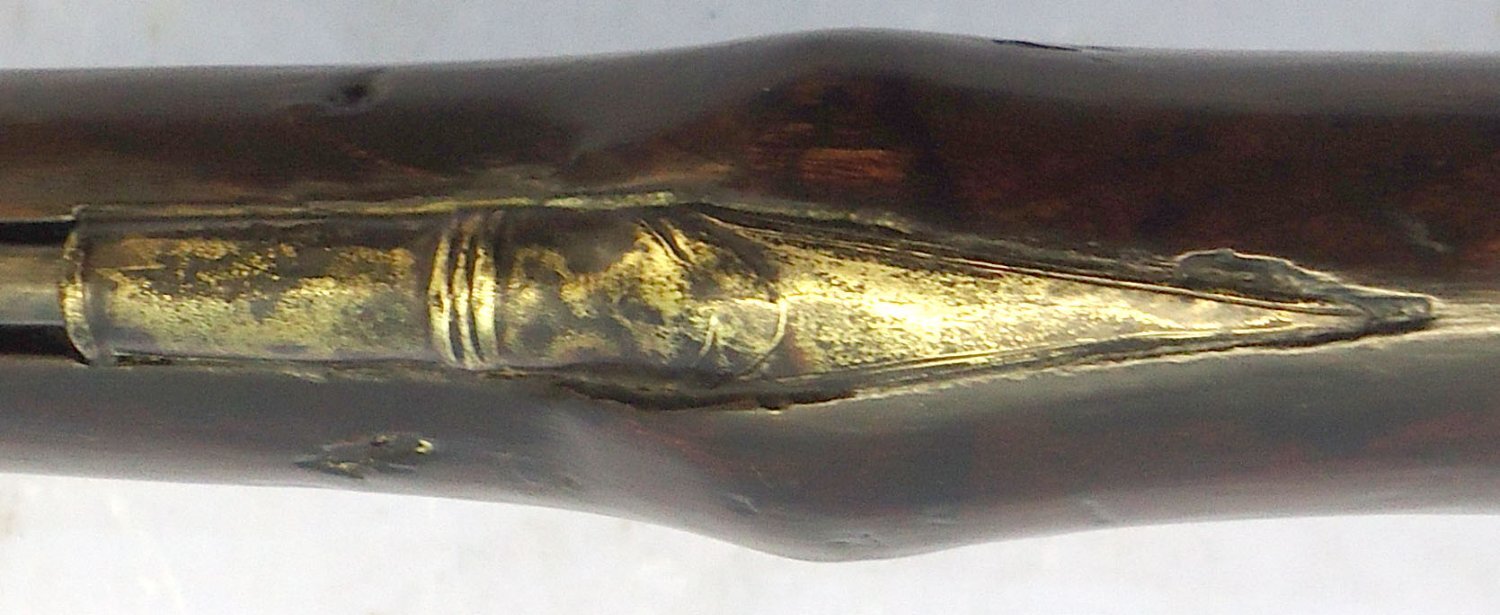
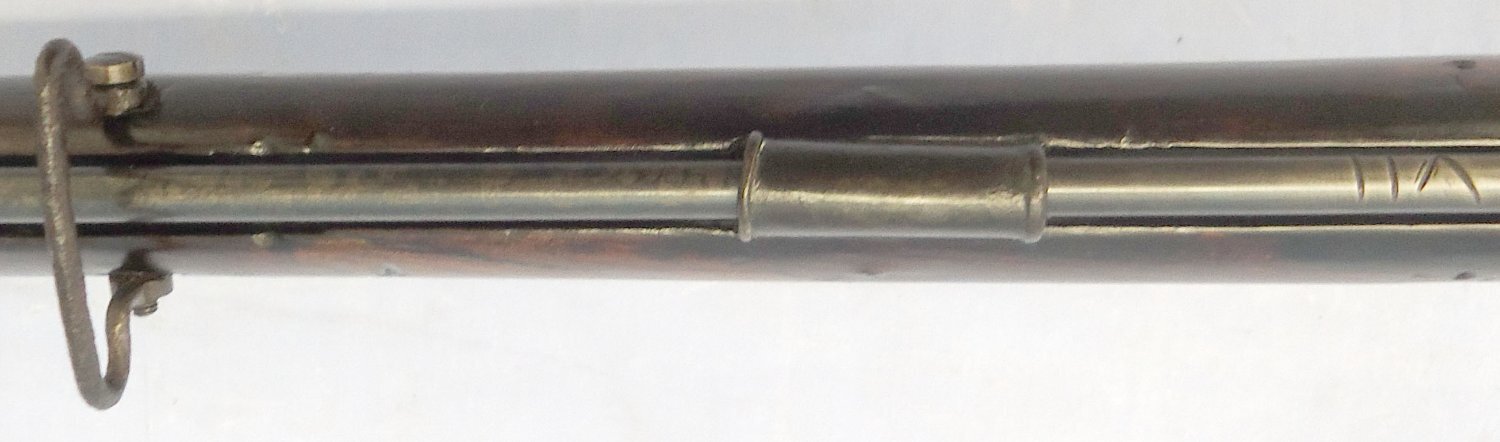
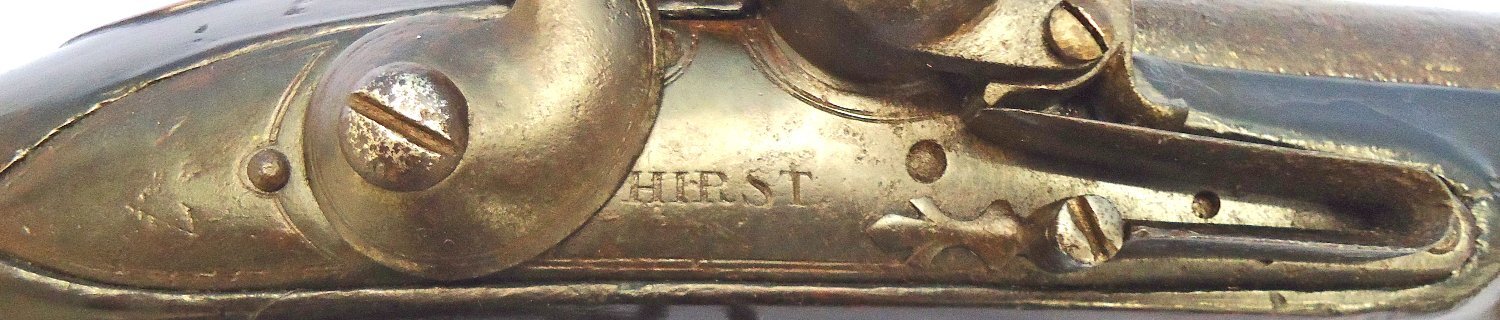
This is an extremely rare a .670” bore officers antique flintlock fusil with a 38 inch barrel with an overall length of 53 inches by Hirst and is numbered 7 on the barrel tang. Mr Jim Kochan, an American researcher suggests that Hirst was contracted around 1774 to make these fusils for Royal Artillery Officer Cadets at Woolwich, several of which ended up in America during the Revolution. These muskets were fitted with a lock of an earlier pattern with only one screw visible behind the cock. On page 129 of De Witt Bailey’s book, Small Arms of the British Forces in America, there is an identical fusil, which must have come from the same group and is credited to the Don Troiani collection. Only 4 of these muskets are known to exist. The early bevelled 6 inch pattern lock is fitted with a fine, slim swan neck cock and is retained by an early pattern brass side plate. The London proofed barrel is retained by cross pins and the ramrod pipes are made of rolled sheet brass. The tang of the barrel is engraved No7. The musket has all brass furniture and is fitted with a blank brass escutcheon. The walnut stock is of the correct pattern with the swell to the fore with an integral inlet brass ramrod pipe. The musket retains its original iron sling swivels. The foresight stud doubles as a bayonet lug and the musket is fitted with an iron ramrod. A file of correspondence with Royal Armouries and the USA and research will accompany this gun and it holds an interesting story with War of Independence connections that is worthy of further research. The action works as it should and the bore has residue and staining from use. See British Military Longarms 1715-1815 by D.W.Bailey The price includes UK delivery. NB This is a scarce and desirable antique musket and no licence is required to own it in the UK if retained as a part of a collection or display. Sn 23230:2

Related ads
3 photos
![German WW 1Gruson Ballooon Gun (53x176R) German WW 1Gruson Ballooon Gun (53x176R) Round Antique & Militaria]() £ 295
Promoted
£ 295
Promoted



Not quite what you’re looking for?