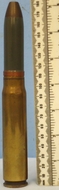
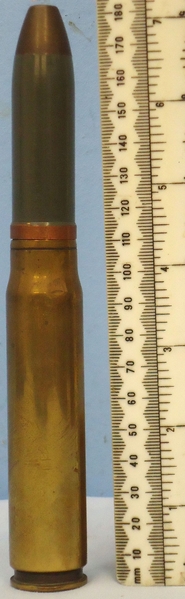
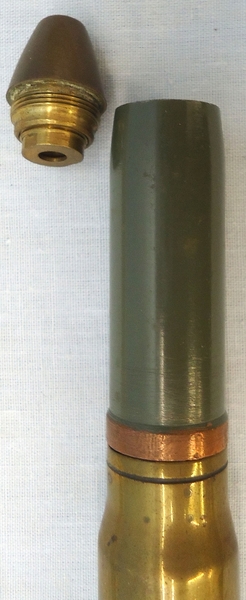
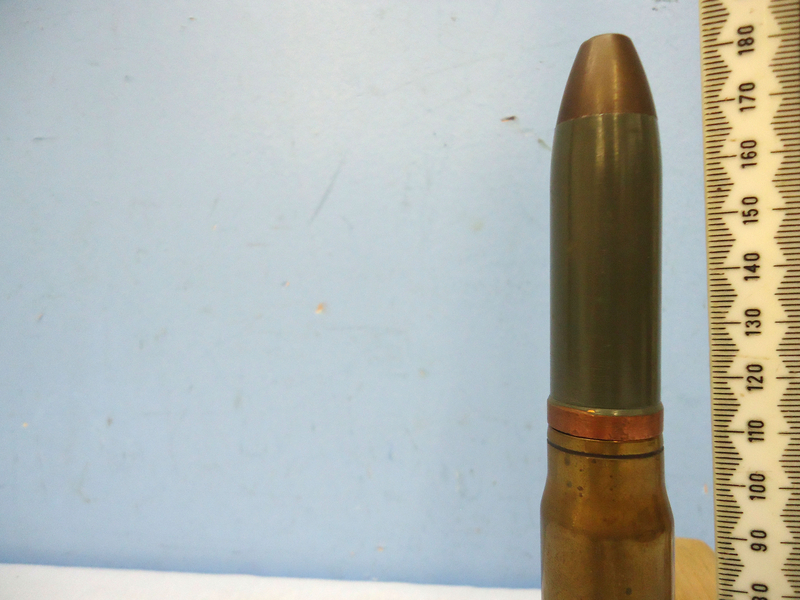
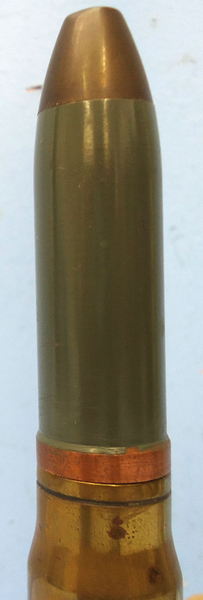


INERT DEACTIVATED. 1938 Dated, Swiss Made 20mm Hispano-Suiza (20x110) HS 404 Aircraft Cannon High Explosive (HE) Round. - O 1819 INERT DEACTIVATED. 1938 Dated, Swiss Made 20mm Hispano-Suiza (20x110) HS 404 Aircraft Cannon High Explosive (HE) Round. - O 1819 Other Ammunition
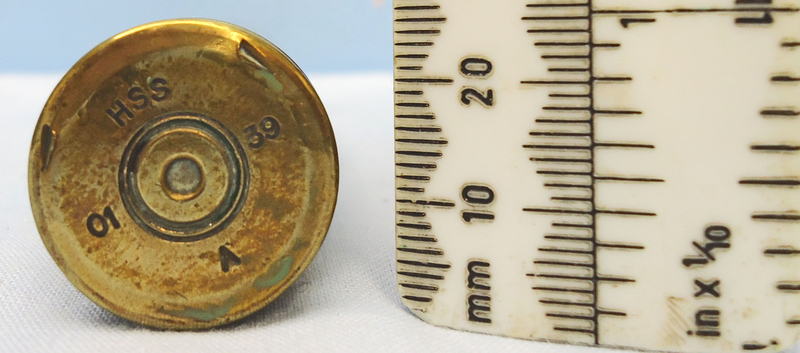
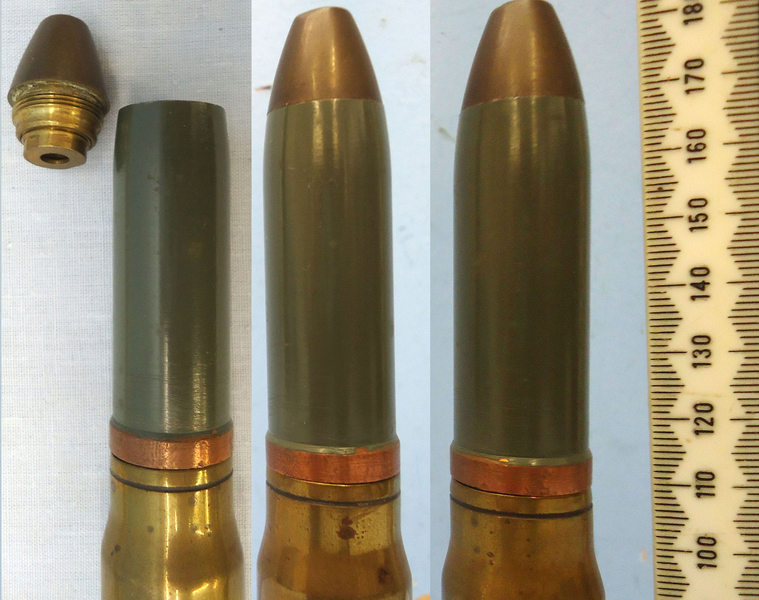
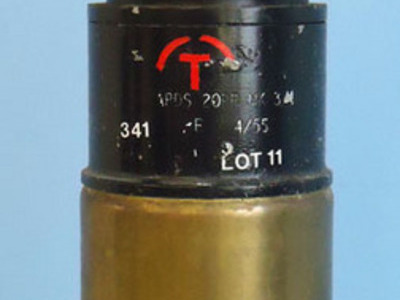
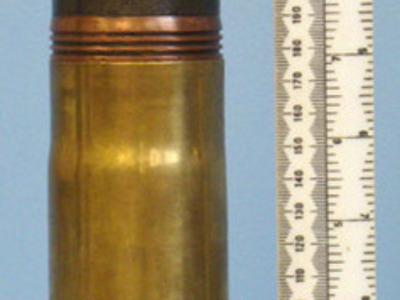
INERT DEACTIVATED. The HS.404 is a cannon was originally designed and produced by Spanish/French company Hispano-Suiza in the mid-1930s. The guns also referred to as Birkigt type 404, after its designer Marc Birkigt and later versions based on British development are known as 20 mm Hispano. In 1938, an aircraft based version of the HS.404 was produced at the request of the French government which was installed on a wide range of pre-war French fighter aircraft, notably in installations firing through the propeller shaft of the Hispano-Suiza 12Y engine fitted to some early French Air Force aircraft. The HS.404 was fed by drum magazines which held 60 rounds of ammunition. Later on in 1940, the HS404 cannon was adopted by the Royal Air Force and entered service arming the Bristol Beaufighter and the Westland Whirlwind which carried 4 of the guns internally. The gun was also used in Spitfires in the Battle of Britain. The gun however with its original 60 round drum feed although very effective in combat was mechanically unreliable. The gun was later modified to a belt feed which was reliable and served in many aircraft throughout WW2 including the Supermarine Spitfire, Hawker Hurricane, Westland Whirlwind, Bristol Beaufighter, Hawker Typhoon and Tempest as standard equipment or an upgrade of the Browning .303 machine gun as an effective hard hitting gun. The round was later used in the De Havilland Vampire and Gloster Meteor fighter aircraft World War 2 and after. This is An early Swiss contract high explosive round manufactured in January 1939 probably for the French Air Force aircraft fitted with this gun. The round is headstamped HSS (Altforf factory) 01 39 (January 1939 date) A. and has a brass percussion primer. The round is fitted with a high explosive steel projectile with a copper driving band a brass impact nose fuse. the projectile is crimped in with a circular shallow crimp. The price for this early Swiss production high explosive round includes U.K. delivery and no licence is required to possess inert rounds in the UK if retained as part of a collection or display. O 1819
Related ads
3 photos
![German WW 1Gruson Ballooon Gun (53x176R) German WW 1Gruson Ballooon Gun (53x176R) Round Antique & Militaria]() £ 295
Promoted
£ 295
Promoted



Not quite what you’re looking for?