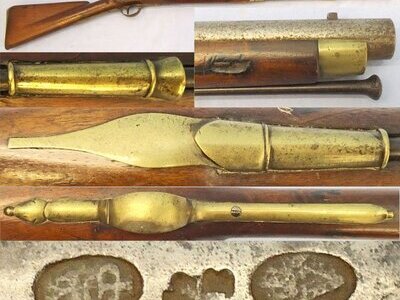
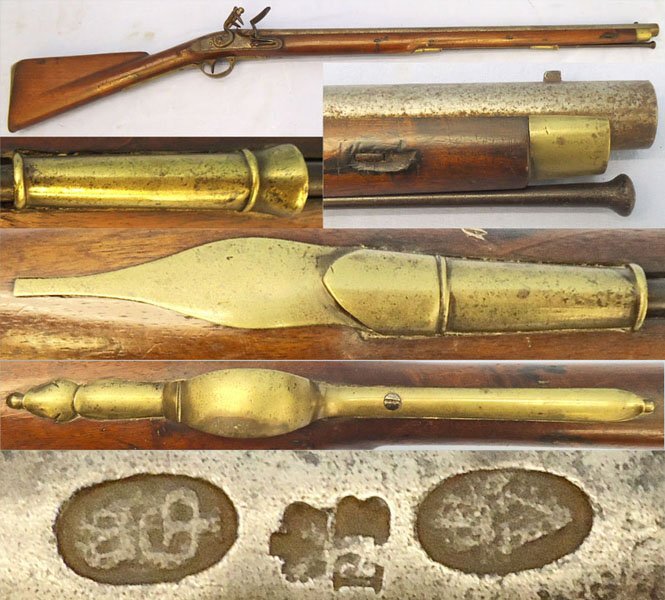
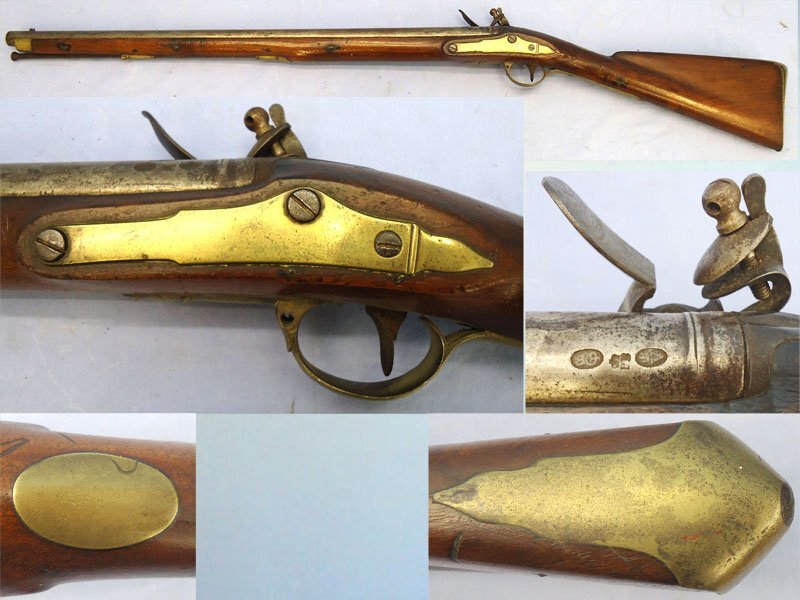
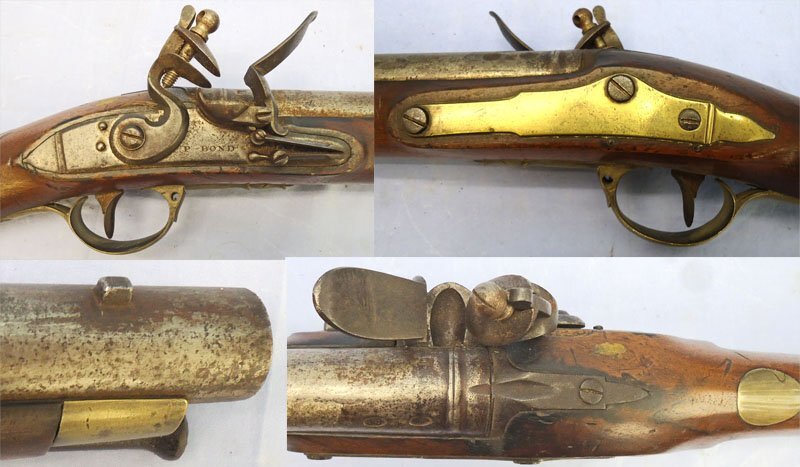
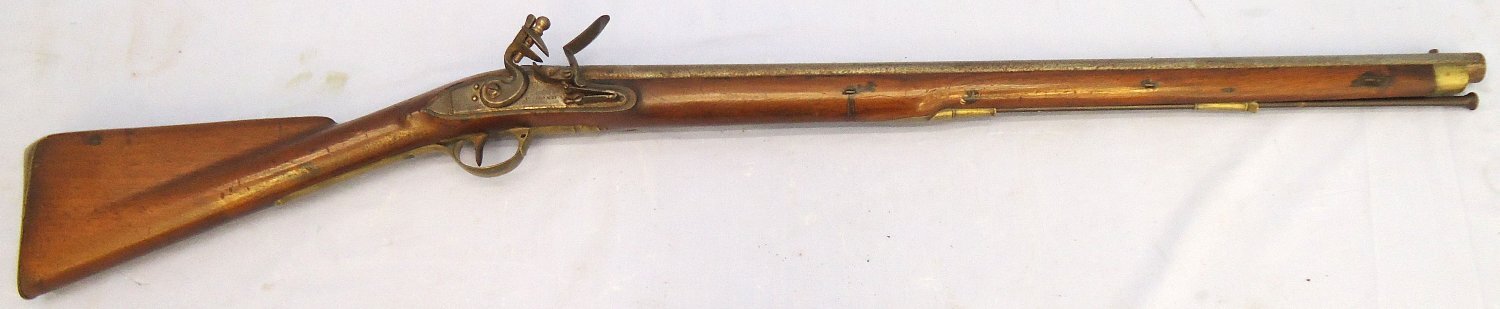
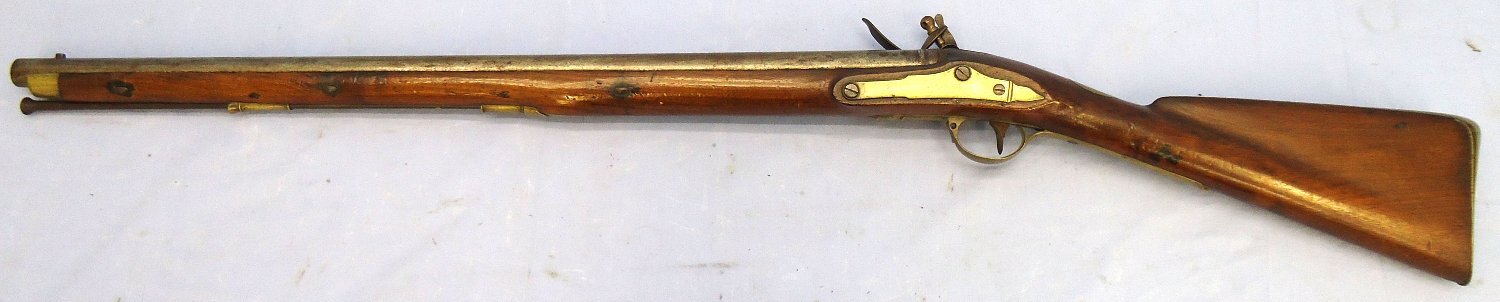




P. Bond (London) Napoleonic War Period**. Scarce, British Officers .75” Bore, 28 inch Barrel, Pattern 1796 Harcotts Heavy Dragoon Flintlock Carbine by P.Bond of London. Sn - 21851:7 Muzzleloader .75 Cal Muzzleloader Rifle
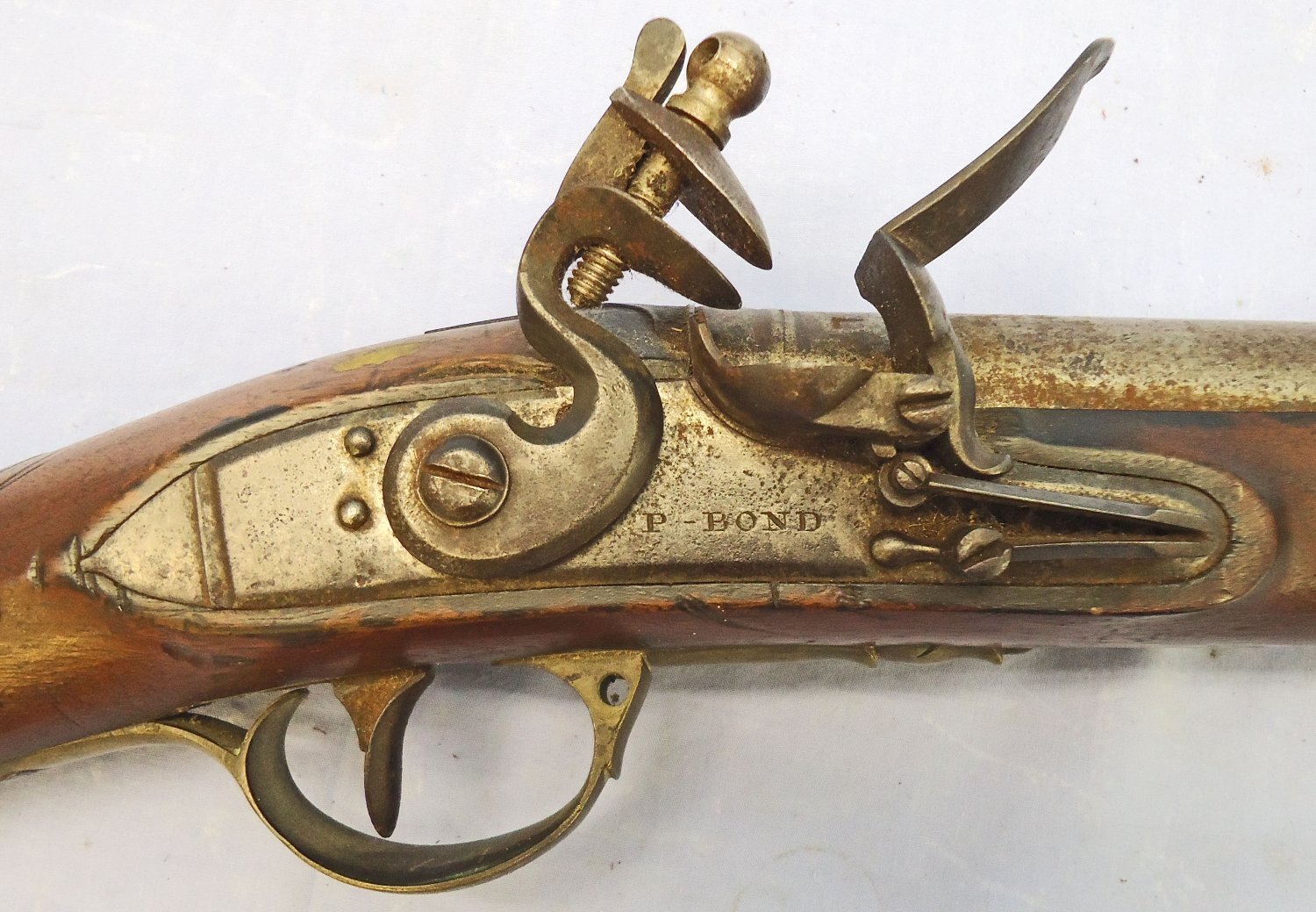
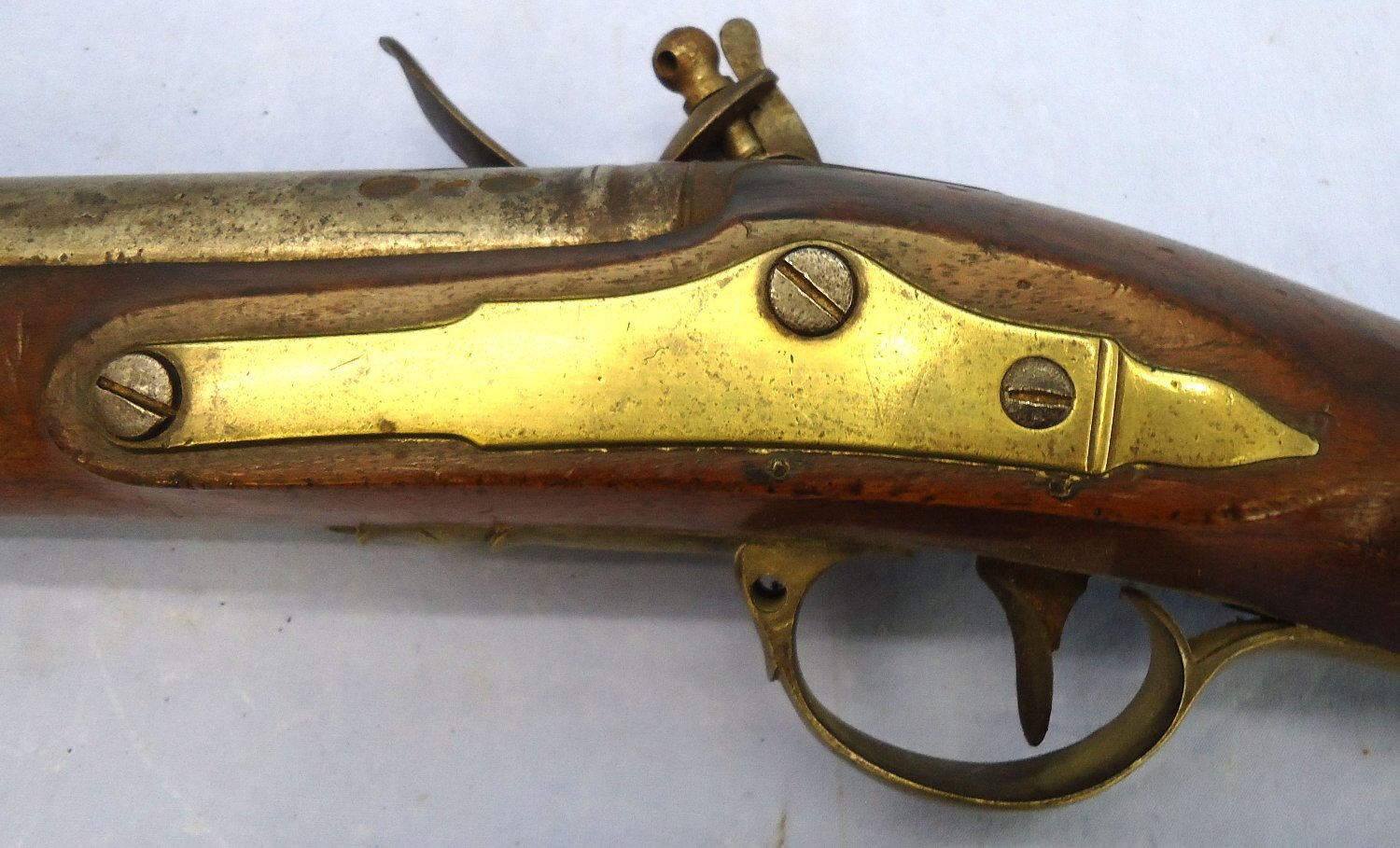
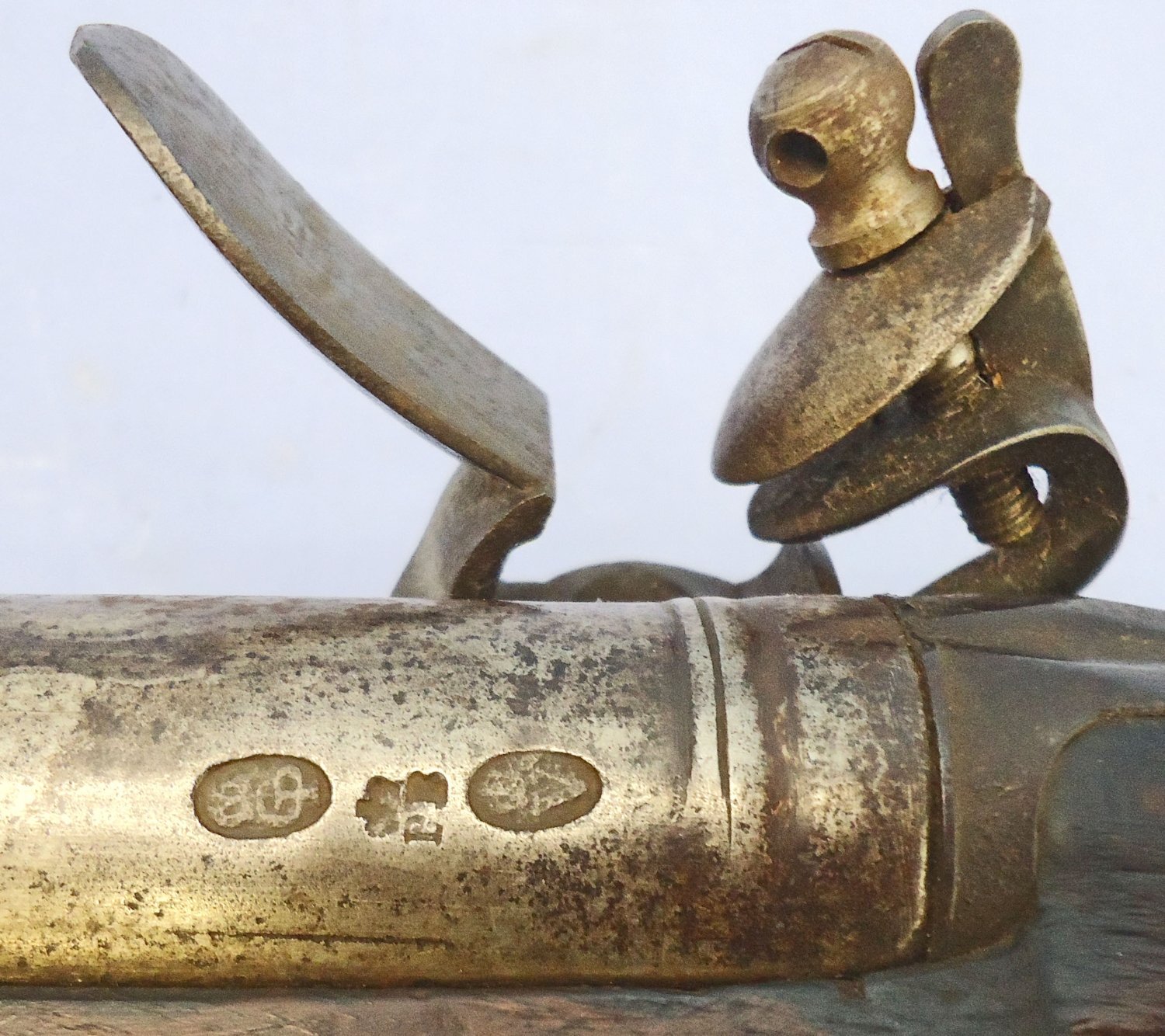
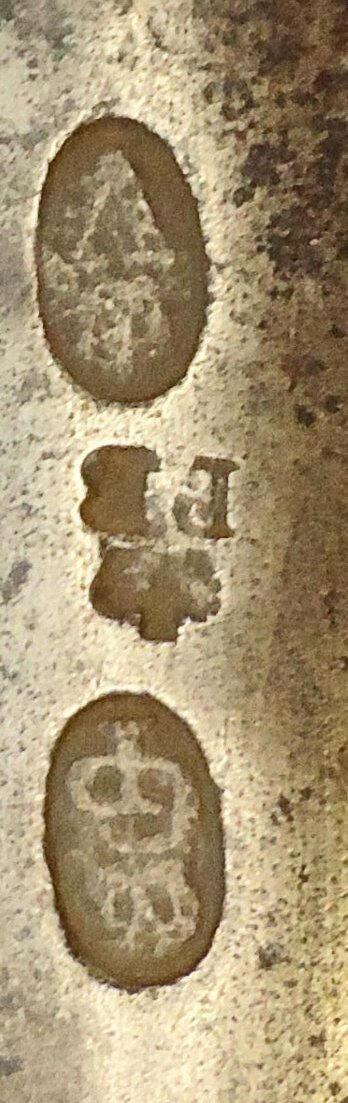
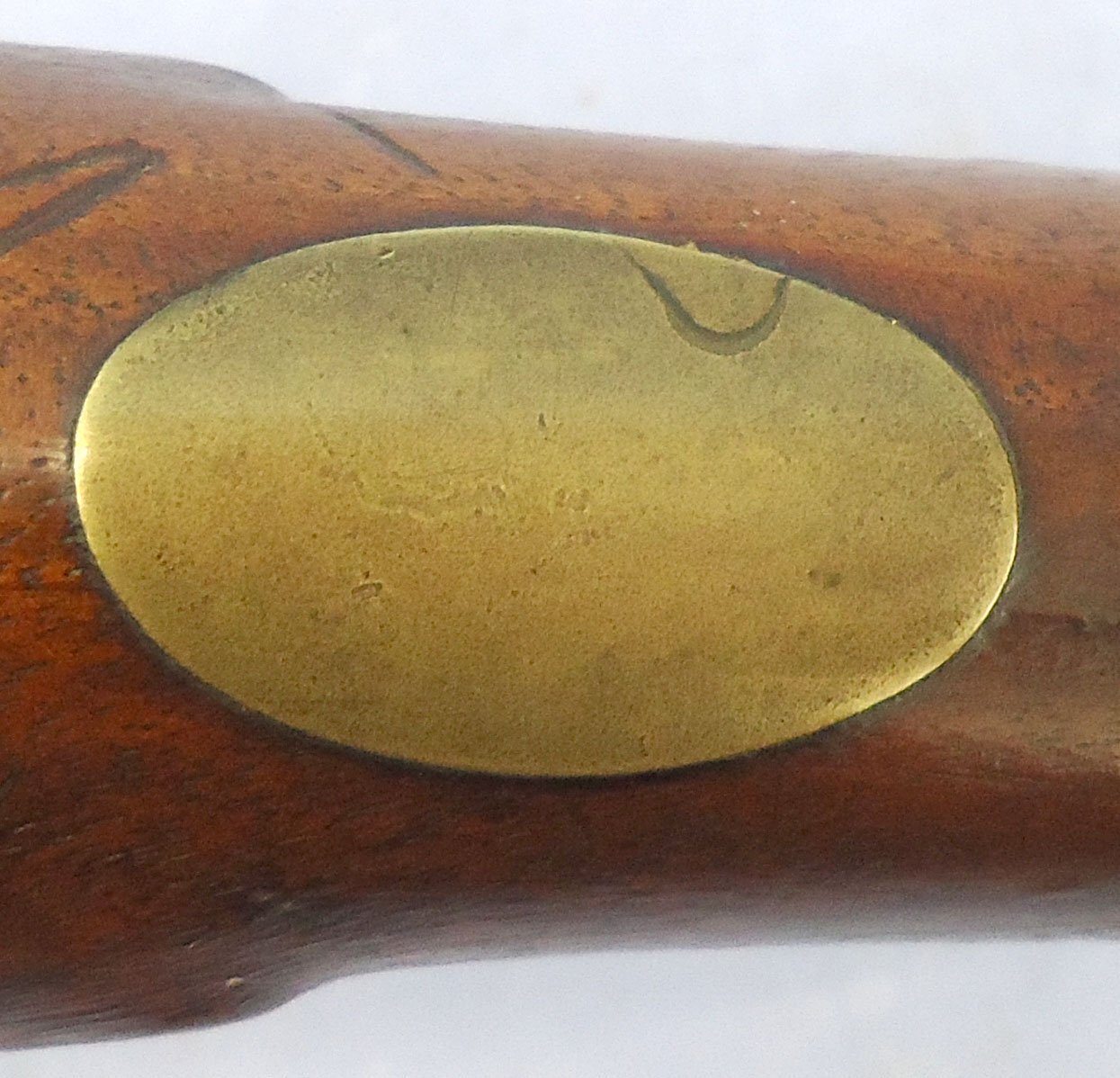
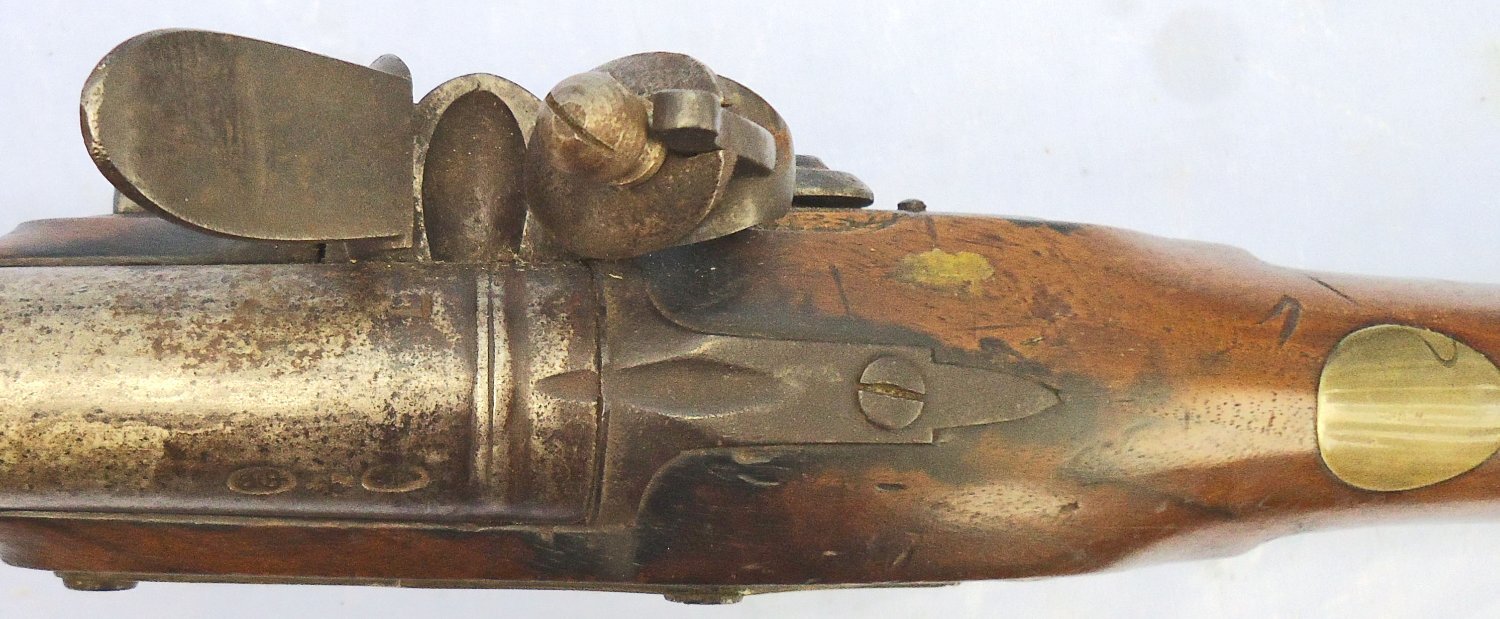
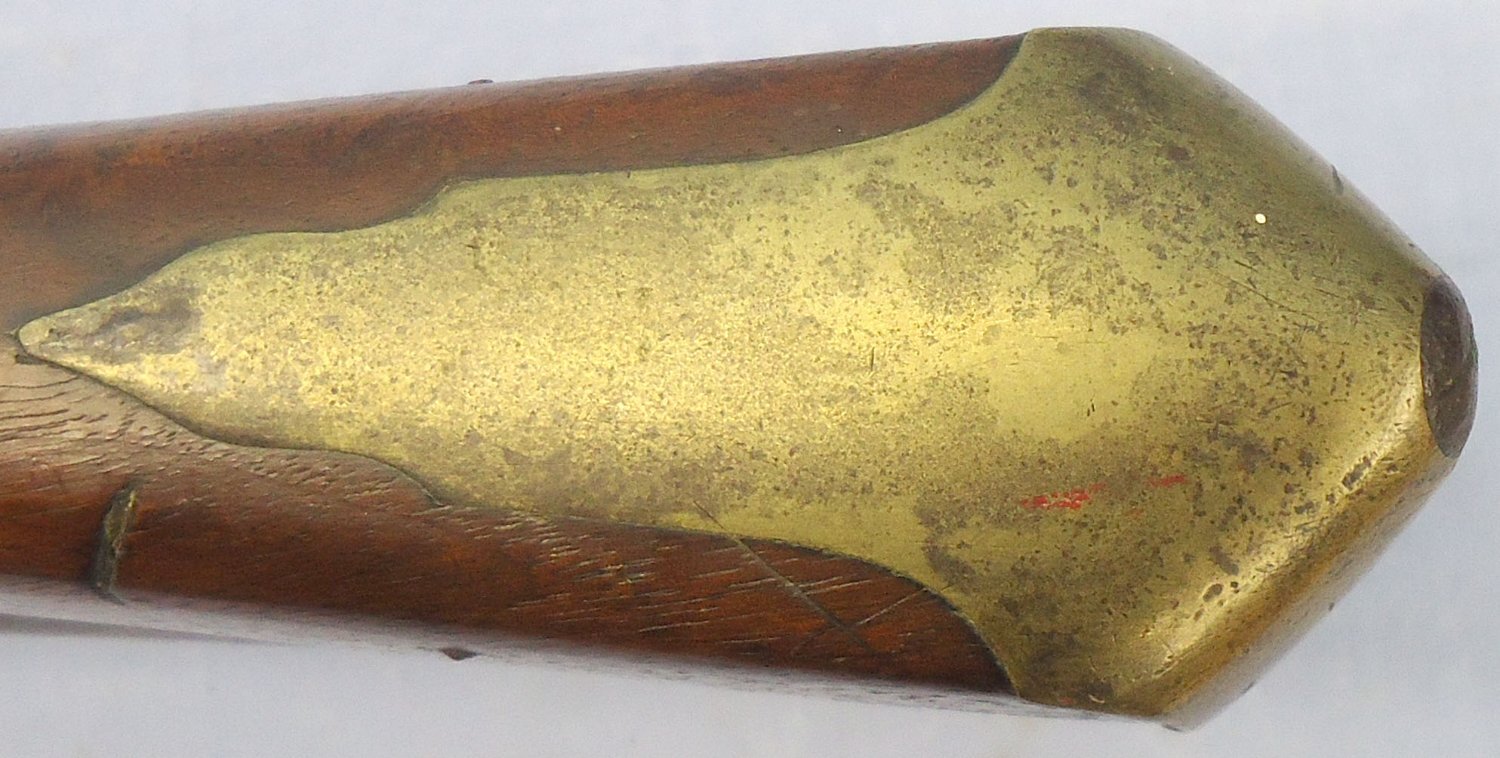
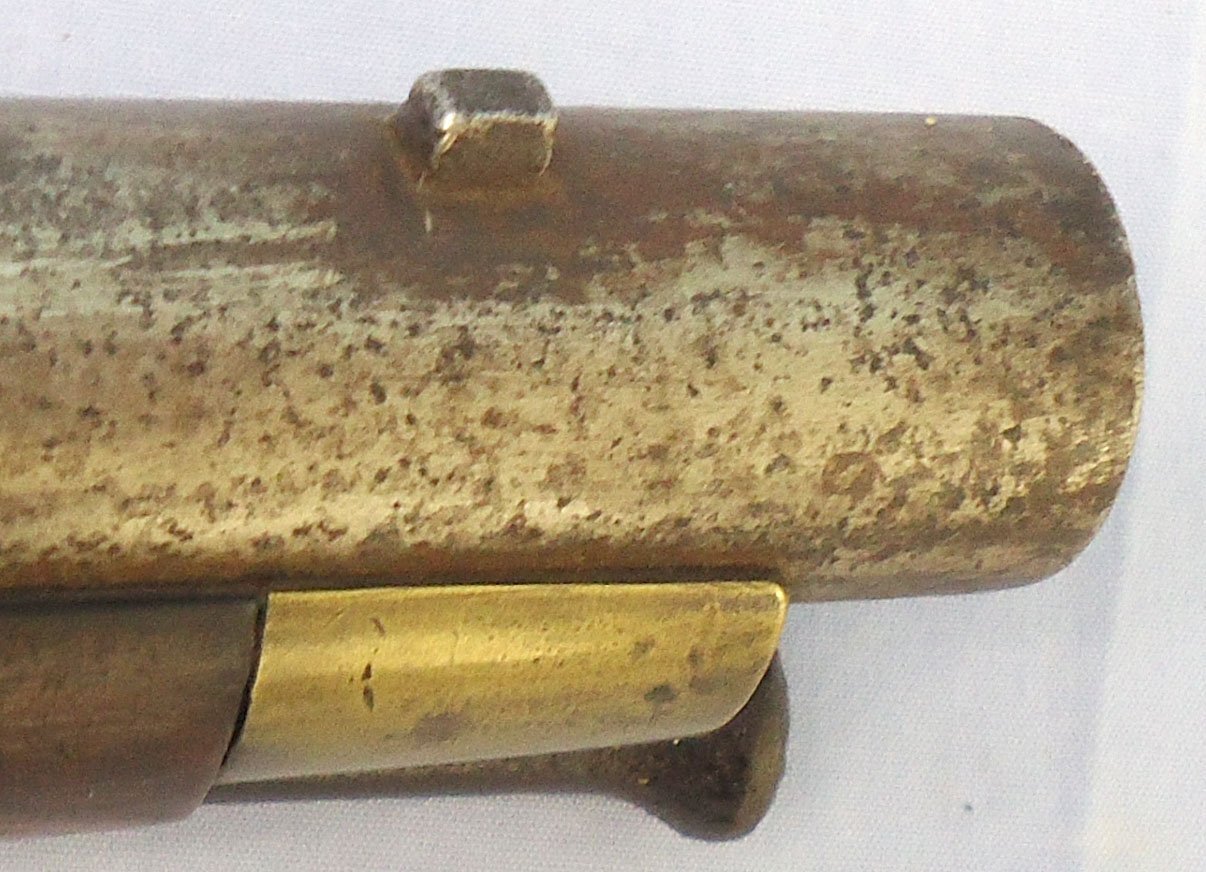
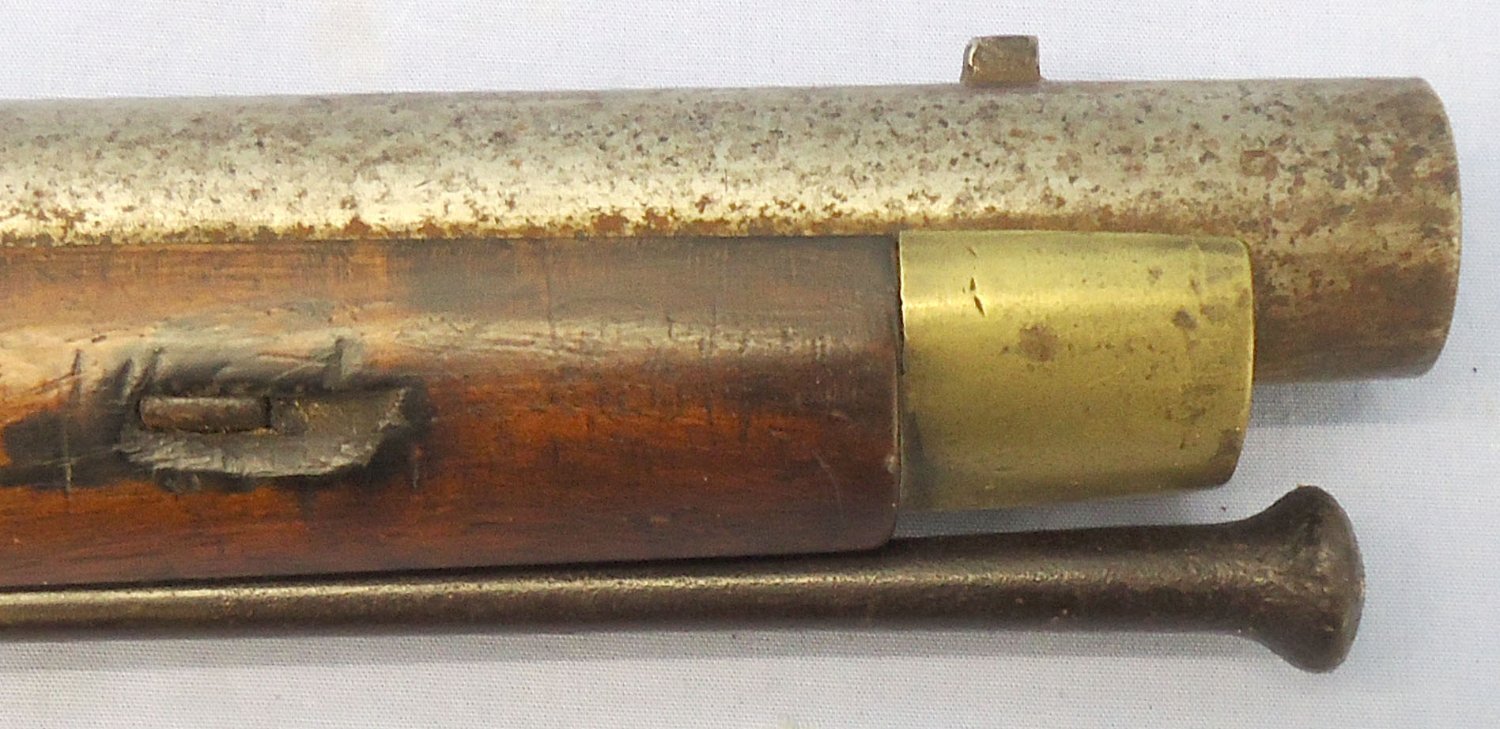
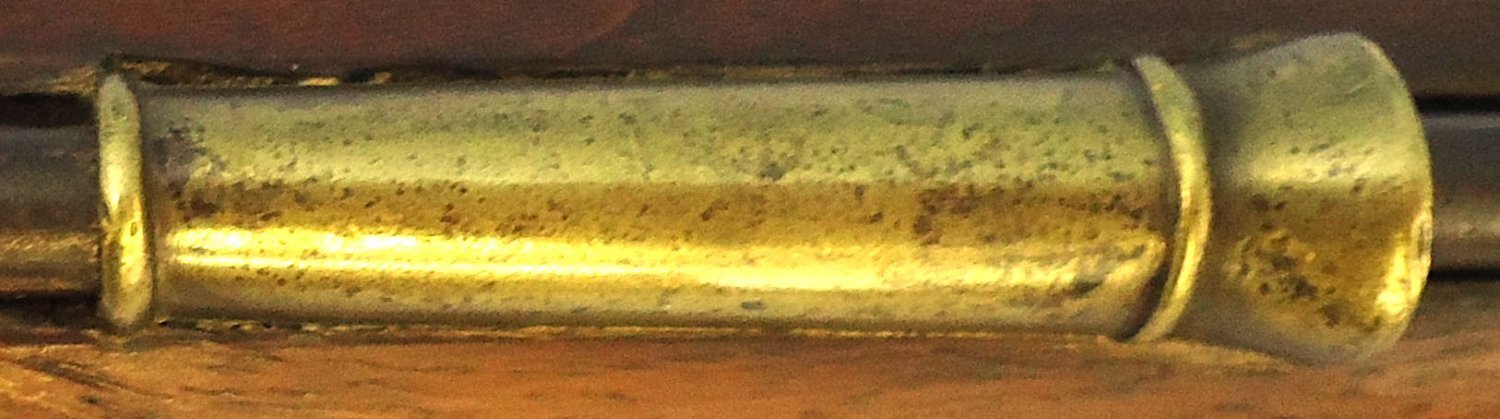
In addition to various types of swords the cavalry was armed with pistols and carbines. As with swords, 1796 saw the introduction of several new standard firearms. This carbine of 0.76 inch calibre was shorter than the infantry musket, which made it easier to use when mounted. The carbine could be fitted with a bayonet. The barrel is nearly full stocked, ½ inches from the muzzle and has a brass nose cap and two brass ramrod pipes that retain a steel ramrod. The pattern 1796 heavy dragoon carbine had the same calibre as the infantry musket making ammunition supply easier. This is a Napoleonic War period British officers .75” bore Pattern 1796 Heavy Cavalry Carbine made by P. Bond of London. Edward Bond had a gunsmiths shop at 59 Lombard Street, from 1774 to 1794. He became master of the gun-makers company in 1780 and died in 1790. His son Phillip Bond took over his company until 1810. Philip Bond also had a workshop at 45 Cornhill London between 1800-1816 when he died in 1816. The carbine has a 28 inch barrel which is the barrel length of the Harcourt Carbine of 1793 with an overall length of 44 inches. The Harcourt carbine was made in a limited production by Henry Nock called the pattern 1796 Harcourt carbine and was replaced in 1798 by the heavy Dragoon Carbine Pattern 1796. This would date the weapon to pre 1798. The lockplate is engraved P BOND and has a bevelled edge and is retained by 3 sidenails from the flat brass side plate. The barrel is London proofed and carries the makers mark star over PB (Philip Bond) between the proof marks which was Philip Bonds mark. The barrel is retained at the breach by a screw at the tang and 3 flat barrel wedges. The musket has a simple small rectangular block foresight that also serves as a bayonet lug. The carbine has a tapered button heads steel ramrod which fits nicely in the pipes. There is a blank oval brass escutcheon fitted to the top of the wrist. The barrel is smooth with a nice patina and the bore has staining and residue with use. The lock has a strong and crisp action. The walnut stock is in a nice condition with no cracks with only minor knocks and bumps with age. See pages 58 & 59 British Military Longarms 1715-1815 by D.W. Bailey, British Military Firearms 1650-1850 by Howard l. Blackmore, Chapter 5 in British Cavalry Carbines & Pistols of the Napoleonic Era by Barry Chisnall and Geoffrey Davies & British Gunsmiths by Nigel Brown, Page 143. NB As an antique musket no licence is required to own this item in the UK if retained as part of a collection or display. The price includes U.K. delivery. Sn 21851:7
Related ads
3 photos
![German WW 1Gruson Ballooon Gun (53x176R) German WW 1Gruson Ballooon Gun (53x176R) Round Antique & Militaria]() £ 295
Promoted
£ 295
Promoted



Not quite what you’re looking for?