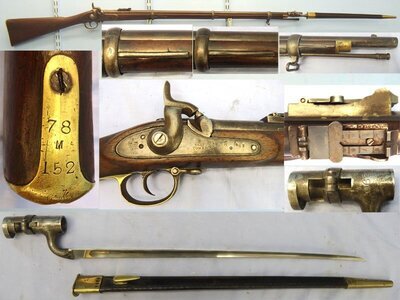
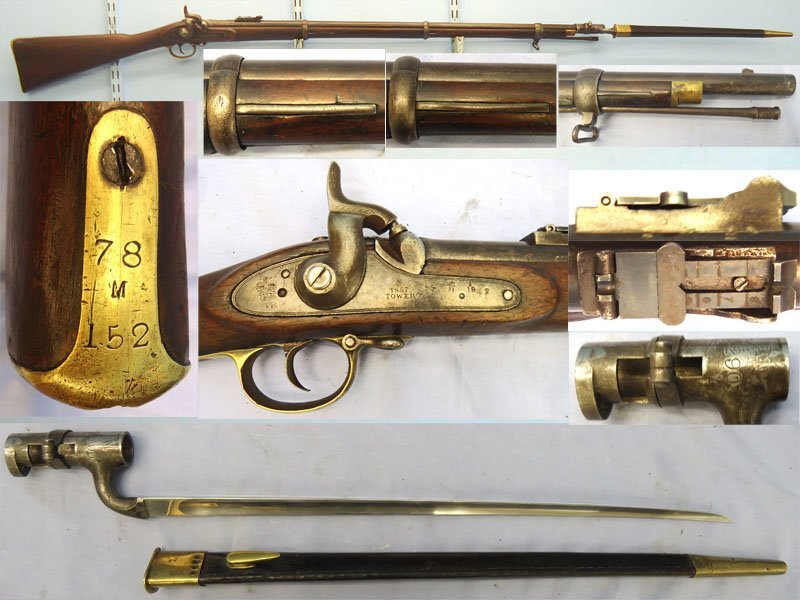


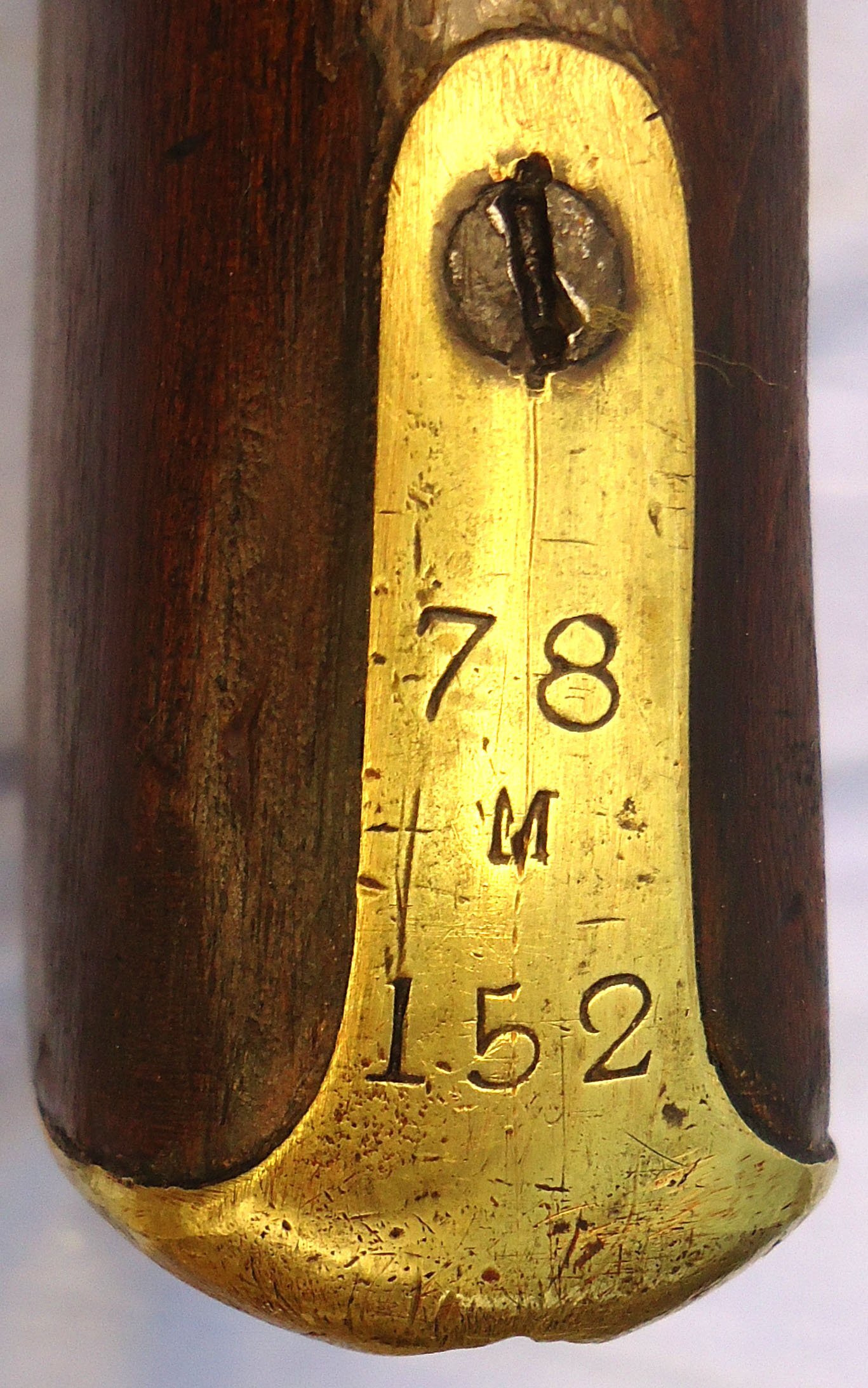


SAVIOUR OF BRITISH INDIA** British 1857 Dated, Tower, 1853 Pattern, (Second Model) .577 Calibre 3 Band Percussion Rifle, Regiment Marked 78 M 152 to the Scottish 78th Regiment of Foot (Later Seaforth Highlanders). Sn 23484:119 SAVIOUR OF BRITISH INDIA** British 1857 Dated, Tower, 1853 Pattern, (Second Model) .577 Calibre 3 Band Percussion Rifle, Regiment Marked 78 M 152 to the Scottish 78th Regiment of Foot (Later Seaforth Highlanders). Sn 23484:119 Muzzleloader None Rifle
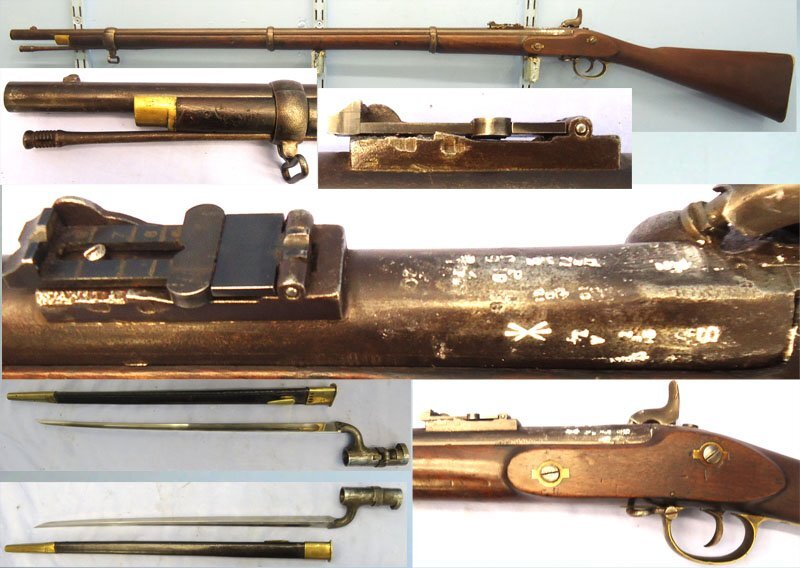
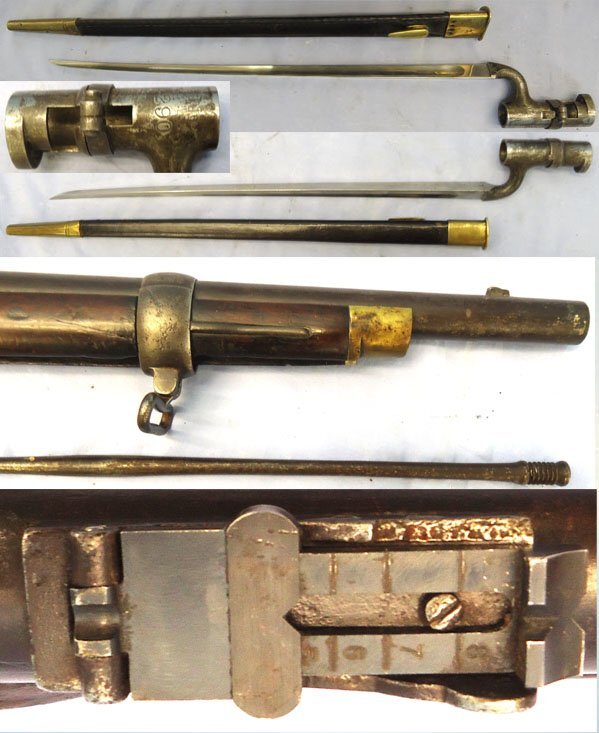
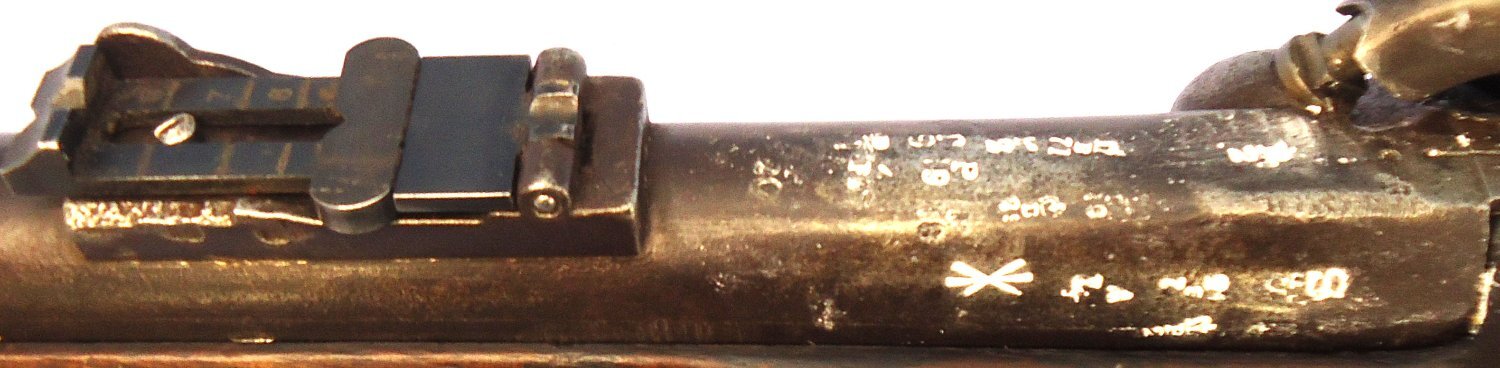
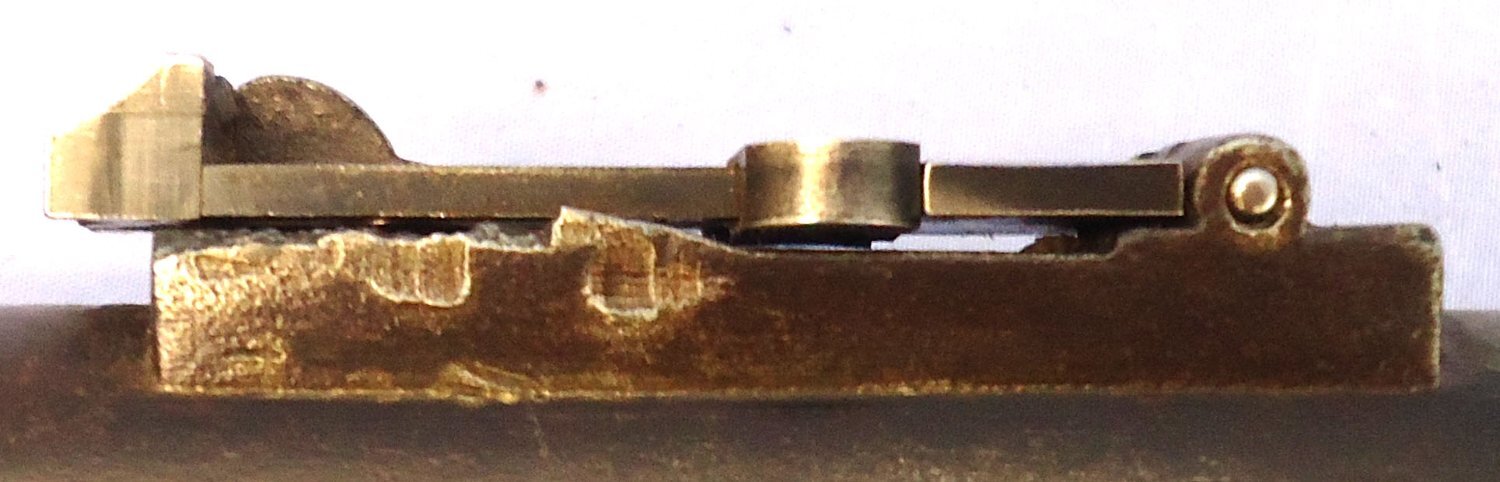
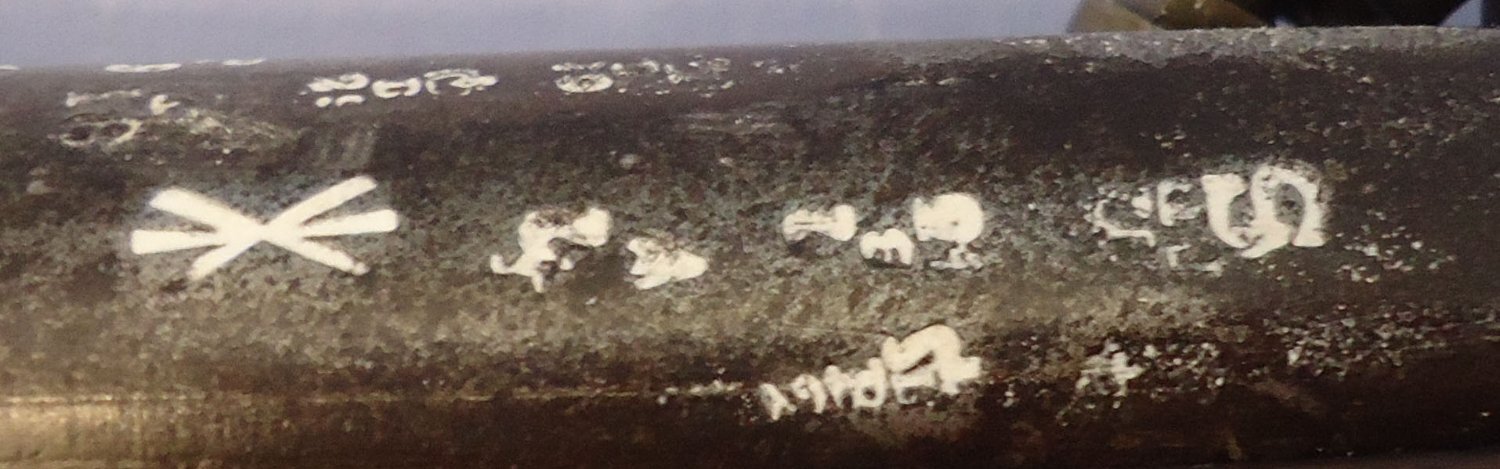
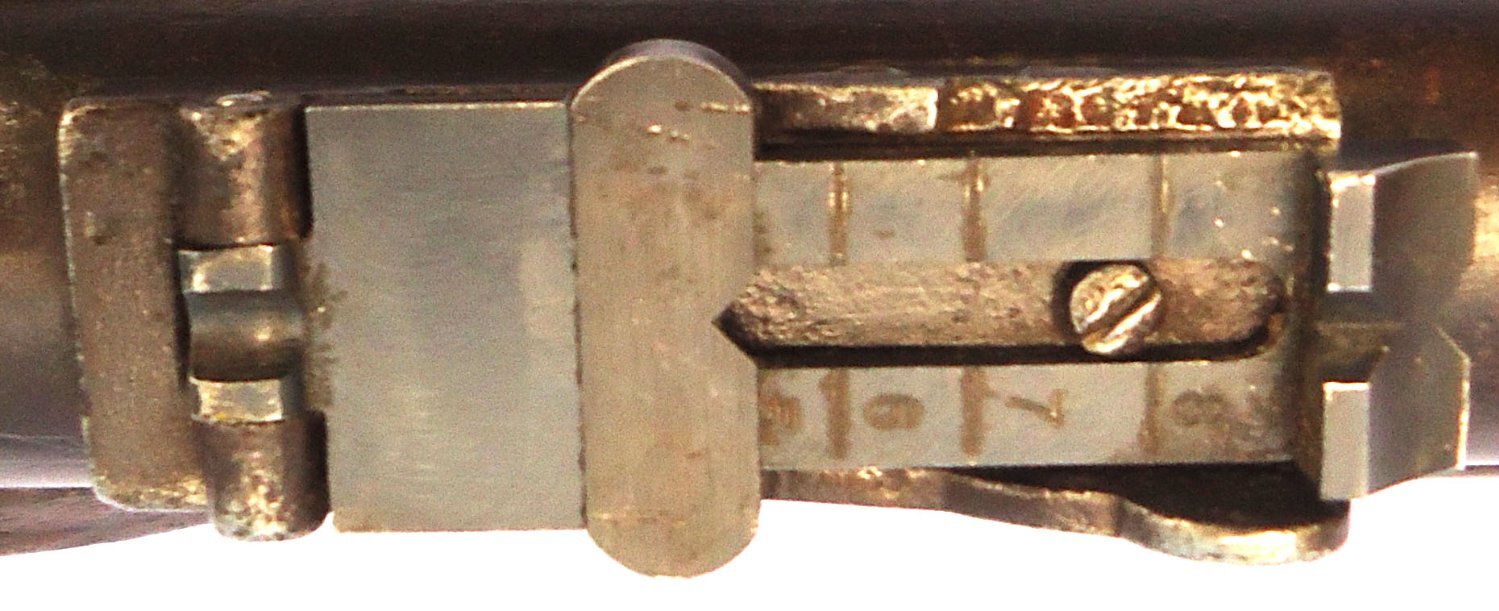
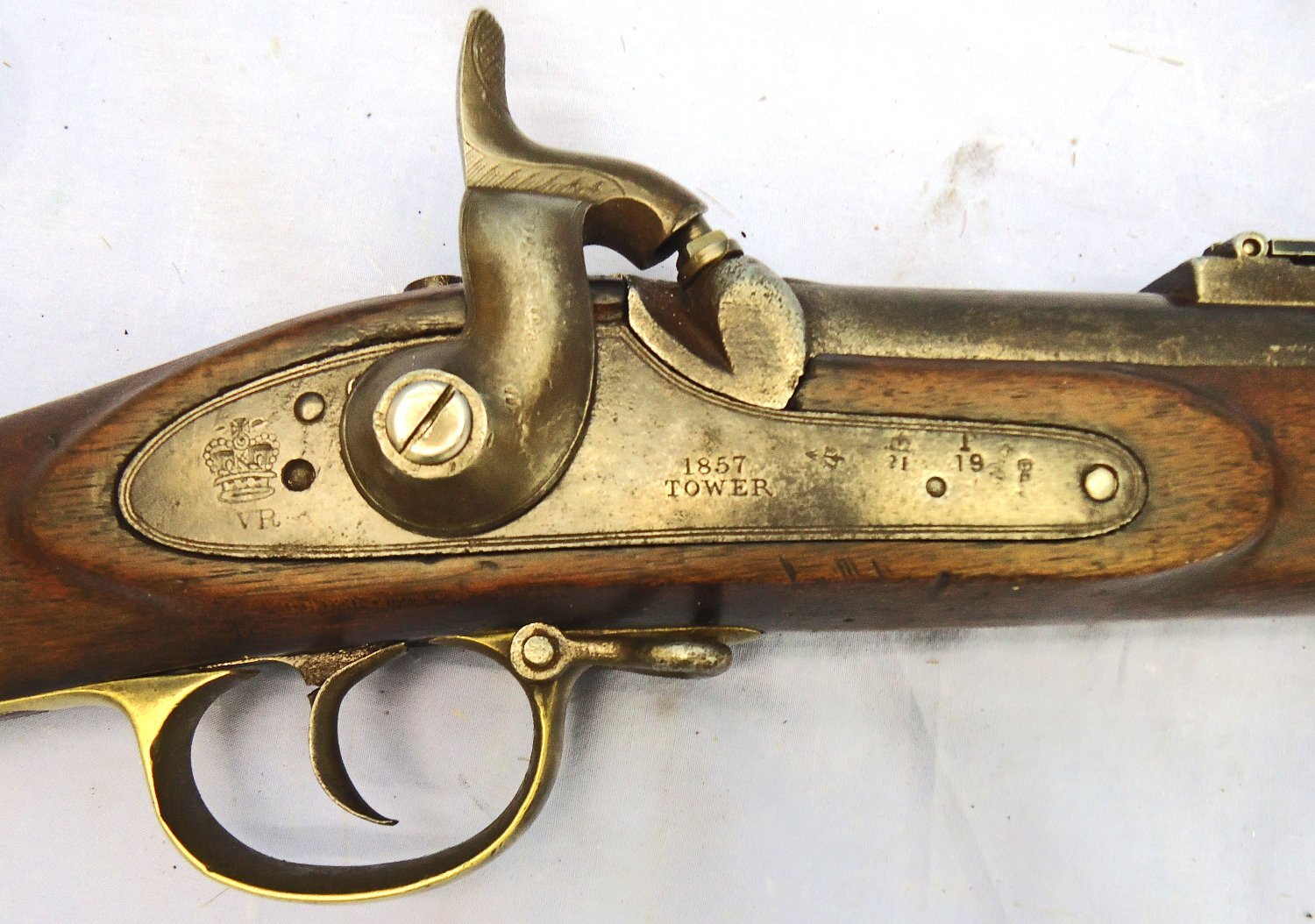
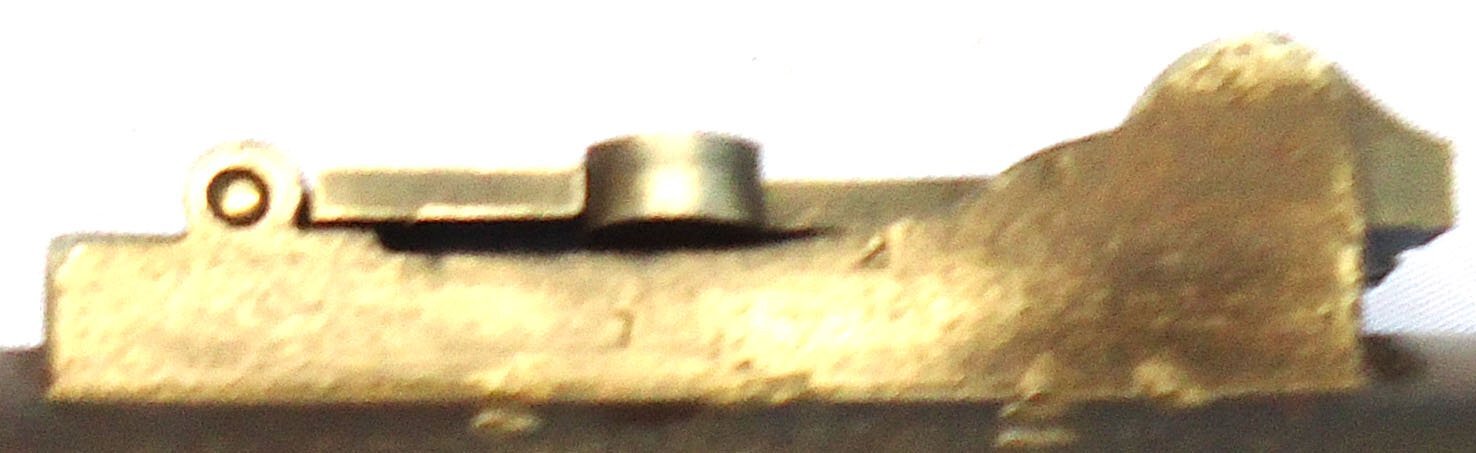
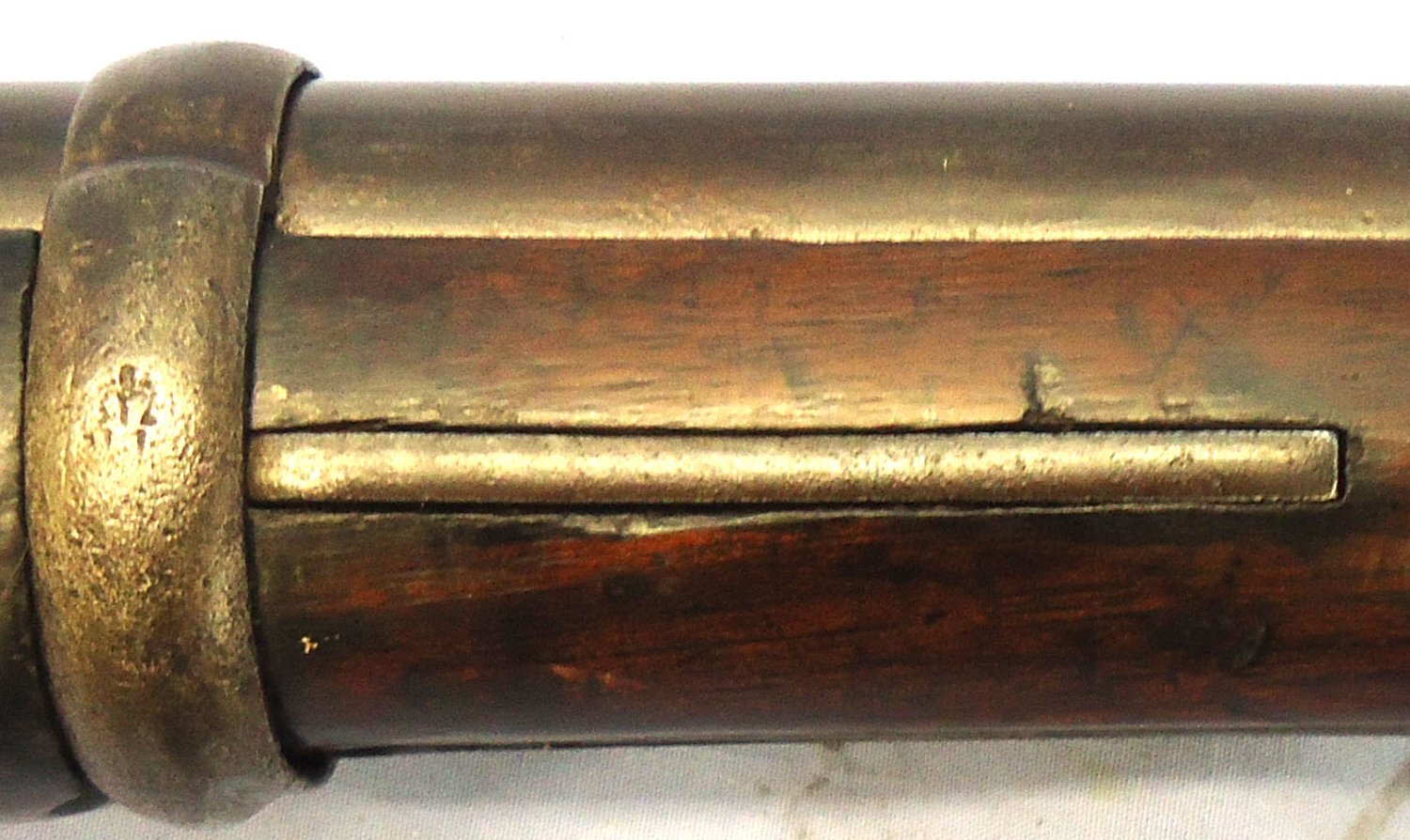
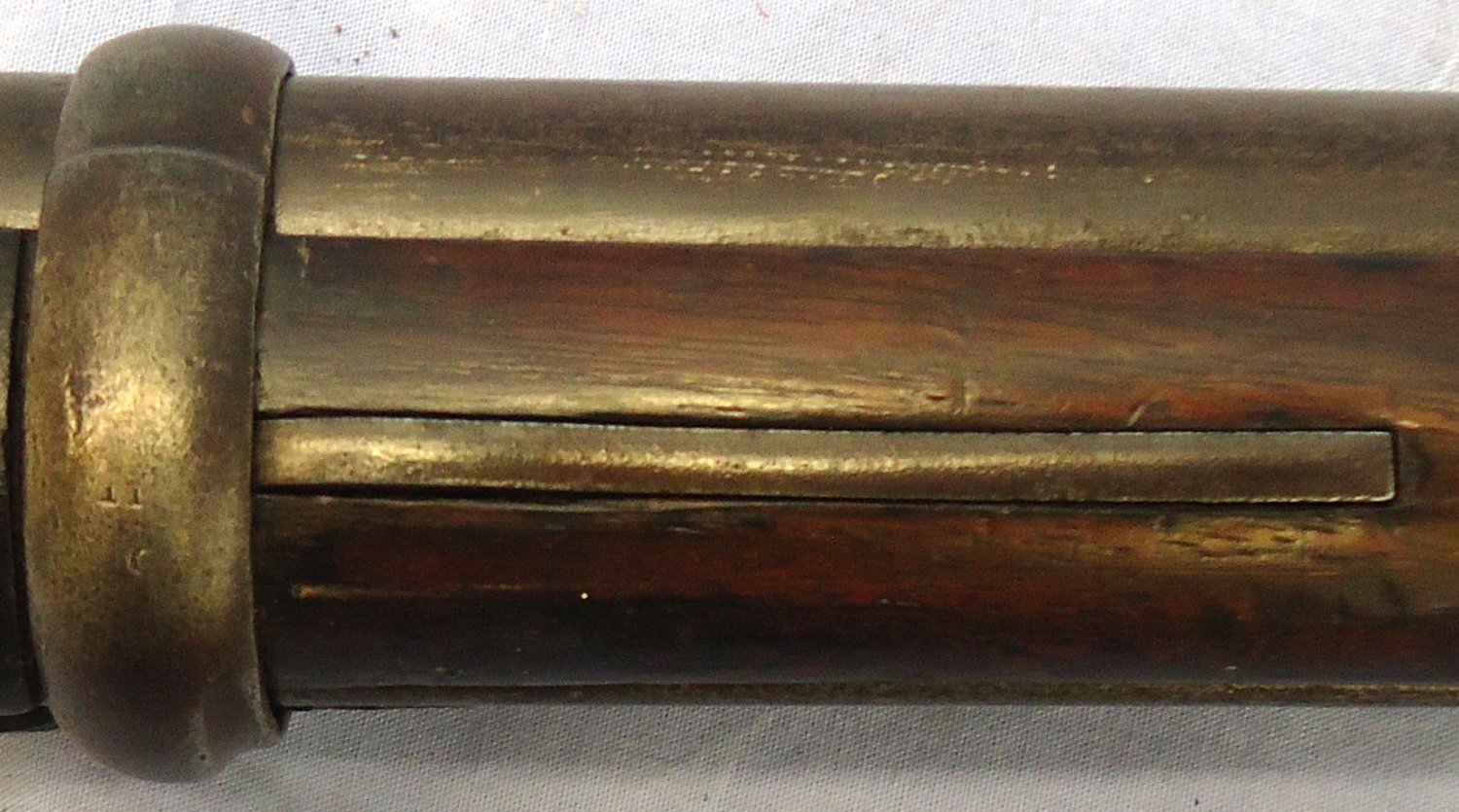
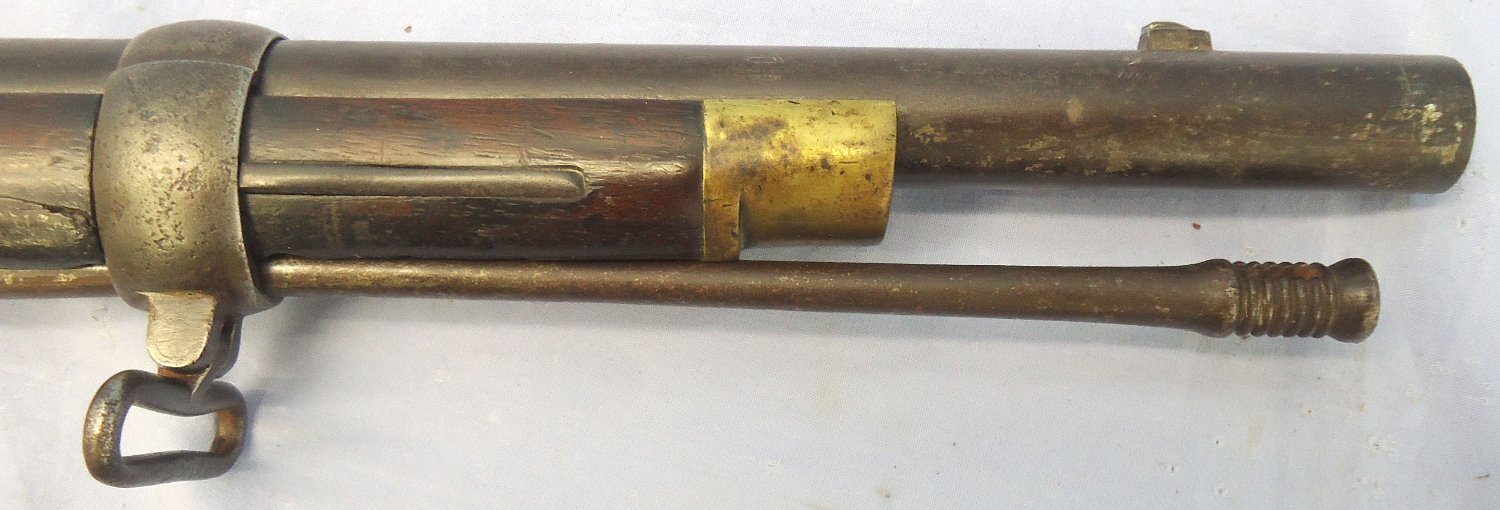
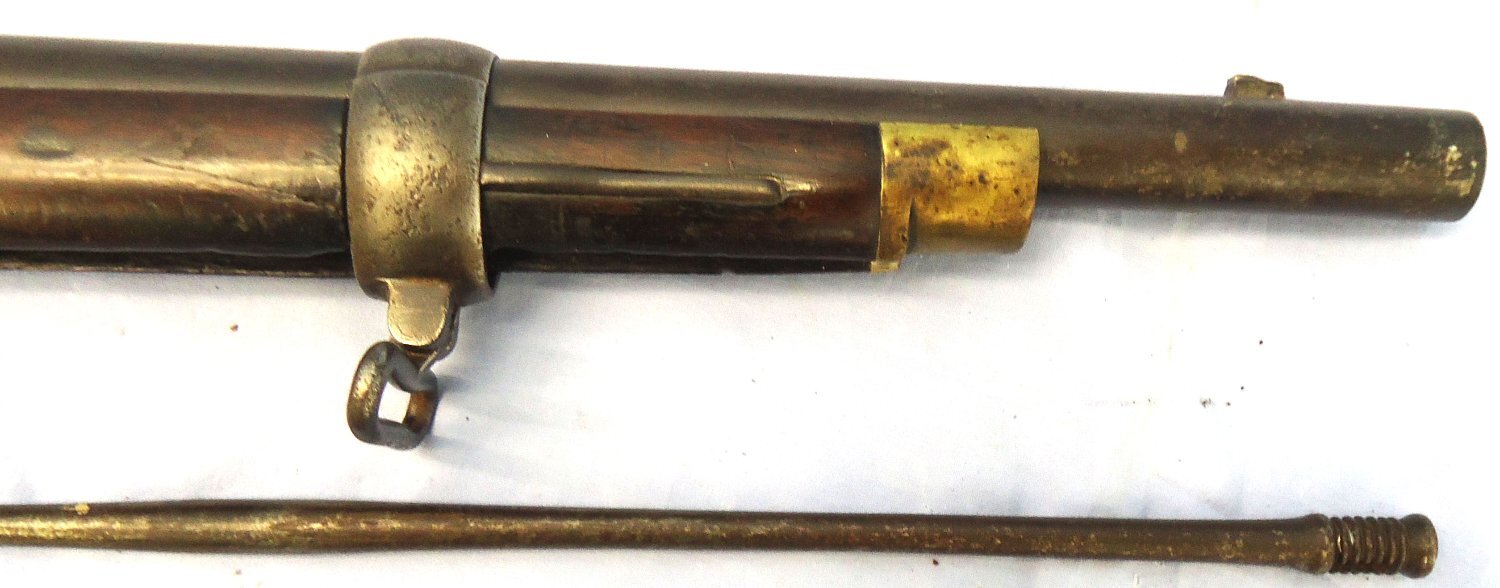
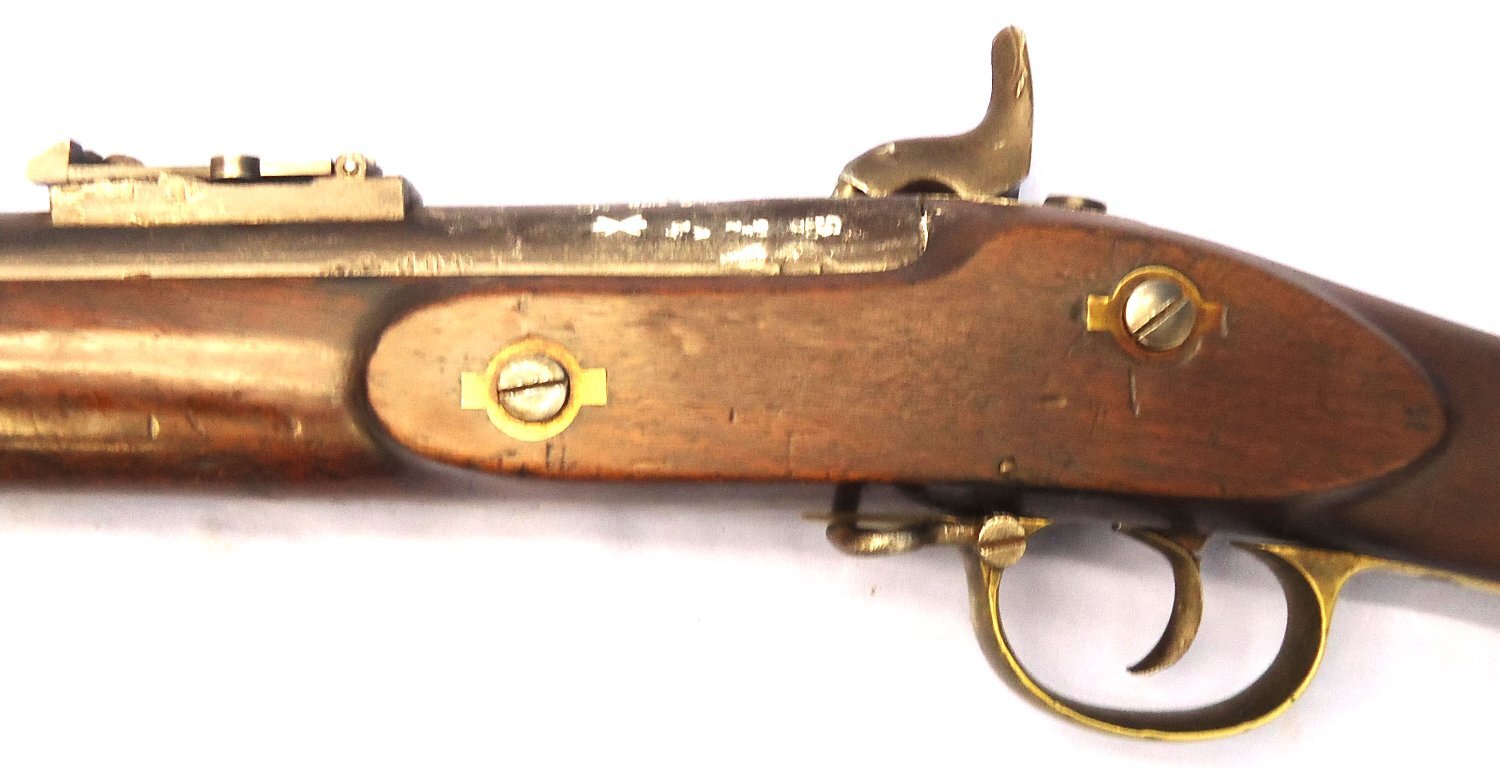
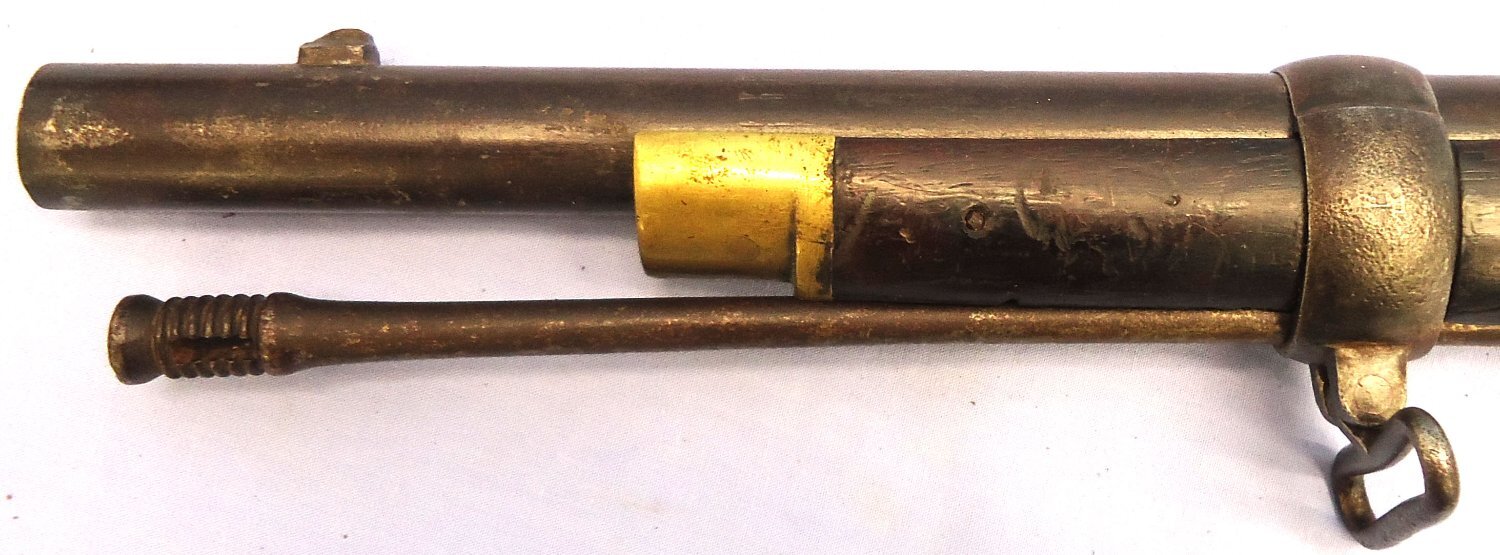
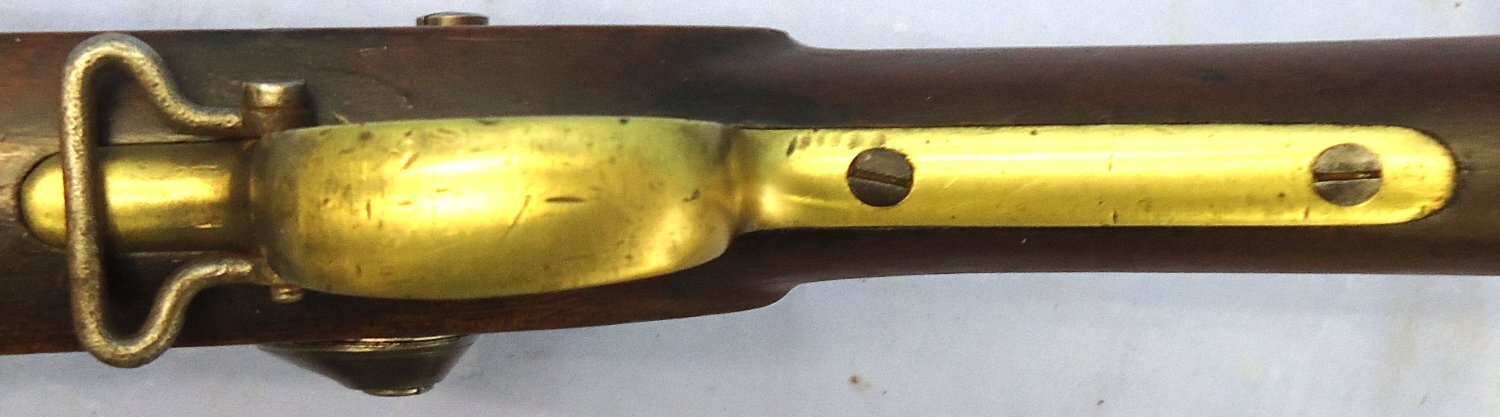
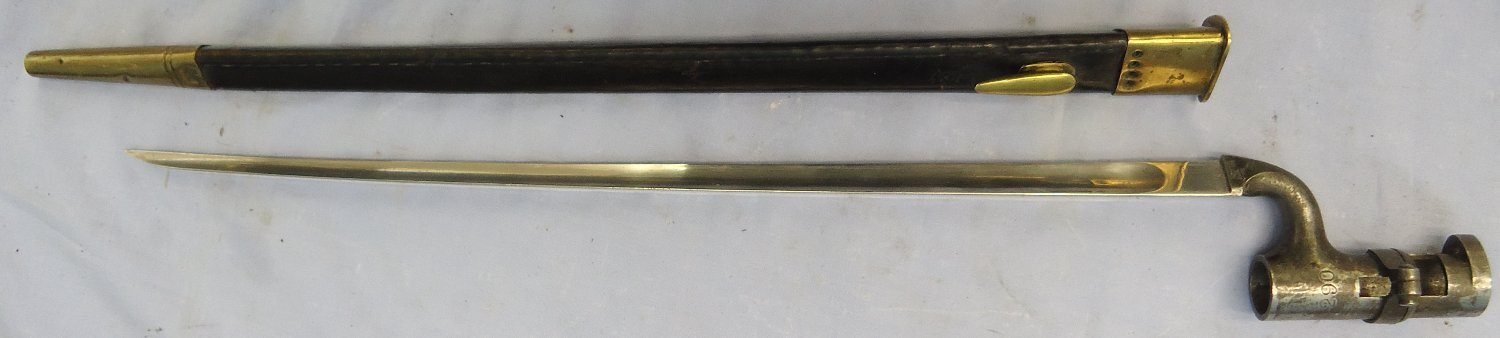
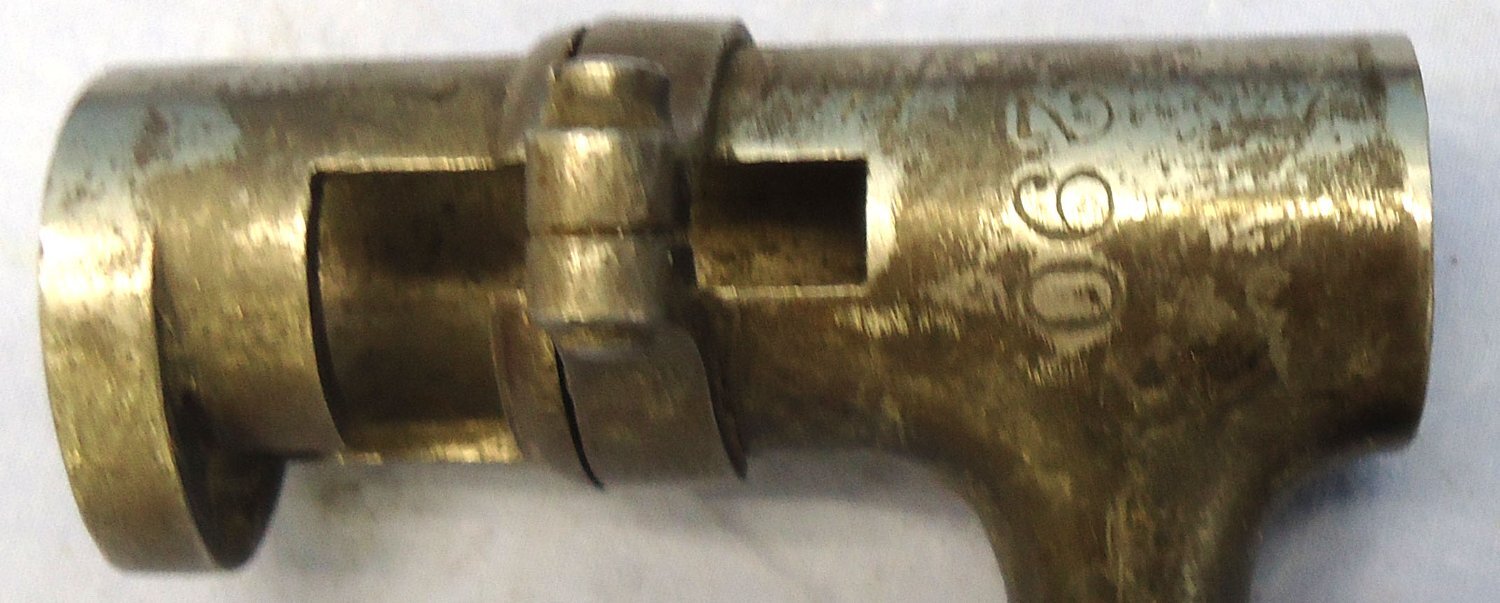
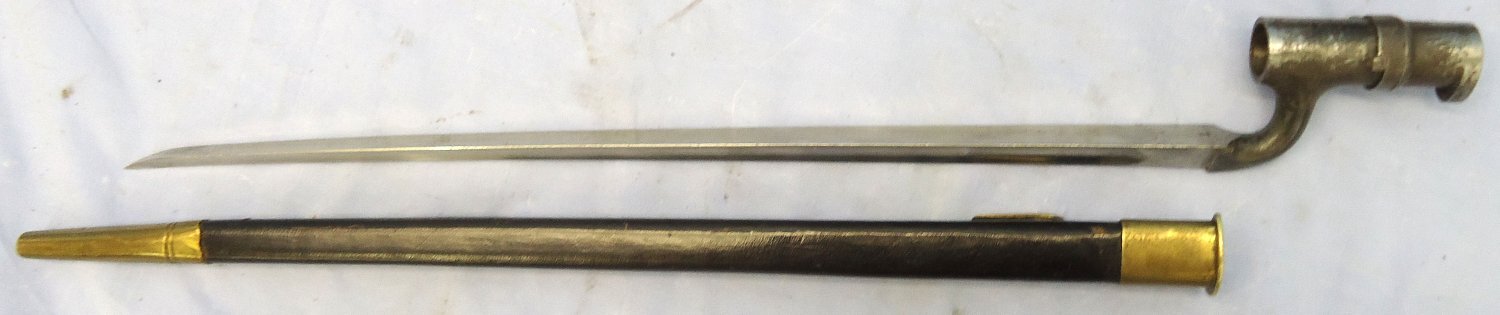
the Childers Reforms it amalgamated with 72nd Regiment, Duke of Albany's Own Highlanders to form the Seaforth Highlanders in 1881. The 78th moved to Persia in January 1857, and took part in the Battle of Khushab in February 1857 during the brief Anglo-Persian War. The regiment returned to India in May 1857 to help suppress the Indian Rebellion. It took part in the recapture of Cawnpore in July 1857 and then took part in the reinforcement of Lucknow, strongly defending the residency until it was relieved in November 1857. The regiment won eight Victoria Crosses during the campaign and was hailed as the 'Saviour of British India' and feted for its conduct at Lucknow. This is an original British Pattern 1853 (second model) infantry rifle regiment marked to the 78th Regiment of Foot dated 1857, most likely seeing service at the time the Regiment were involved in the Battle of Khushab in the Anglo-Persian War, recapture of Cawnpore and the defence of Lucknow during the Indian Rebellion. The rifle is fitted with a 2 line lockplate which is stamped with the queens crown over VR (Victoria Regina) 1857 (date) TOWER and various inspection marks. The rifle has the correct swelled ramrod and solid barrel bands retained by spring clips. The rifle has a 39 inch barrel and measures 55 inches overall. The bore has well defined rifling and just light staining consistent with age and use. The rifle has its original undamaged walnut stock and regulation brass fittings and iron sling swivels. The rifle has a heavy military hammer, block and blade fore sight and adjustable 900 yard ramp and ladder rear sight. The barrel bears tower proof marks. One of the wings of the rear sight is missing through impact. The rifle has a strong cocking and firing action which works correctly. The tang of the brass butt plate is stamped 78 M 152 to the Scottish 78th Regiment of Foot, weapon number M 152. The rifle is complete with aa 1853 pattern socket bayonet with its correct early crimping brass mounted brown leather scabbard. The ricasso carries an Enfield inspections stamp and the socket is numbered 290 on the socket. See plate 65 and page 69 of British Military Longarms 1815-1865 by D.W.Bailey and RB33 in section 1 on pages 5 and 6 of The Catalogue of the Enfield Pattern Room, British Rifles, by He Majesties Stationary Office. The price includes UK delivery. NB As an antique percussion weapon no licence is required to own this item in the UK if retained as part of a private collection or display. Sn 23484:119

Related ads
3 photos
![German WW 1Gruson Ballooon Gun (53x176R) German WW 1Gruson Ballooon Gun (53x176R) Round Antique & Militaria]() £ 295
Promoted
£ 295
Promoted



Not quite what you’re looking for?