

WW1 1918 British WB Limited Trench Warfare Hand Held Gas Alarm Rattle. MISC 822 Antique & Militaria
WW1 1918 British WB Limited Trench Warfare Hand Held Gas Alarm Rattle. MISC 822 - MISC 822
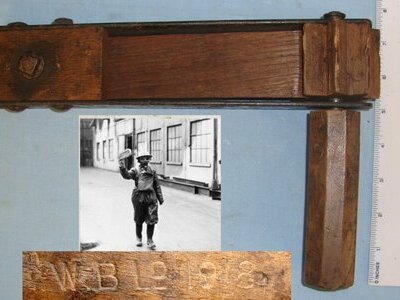
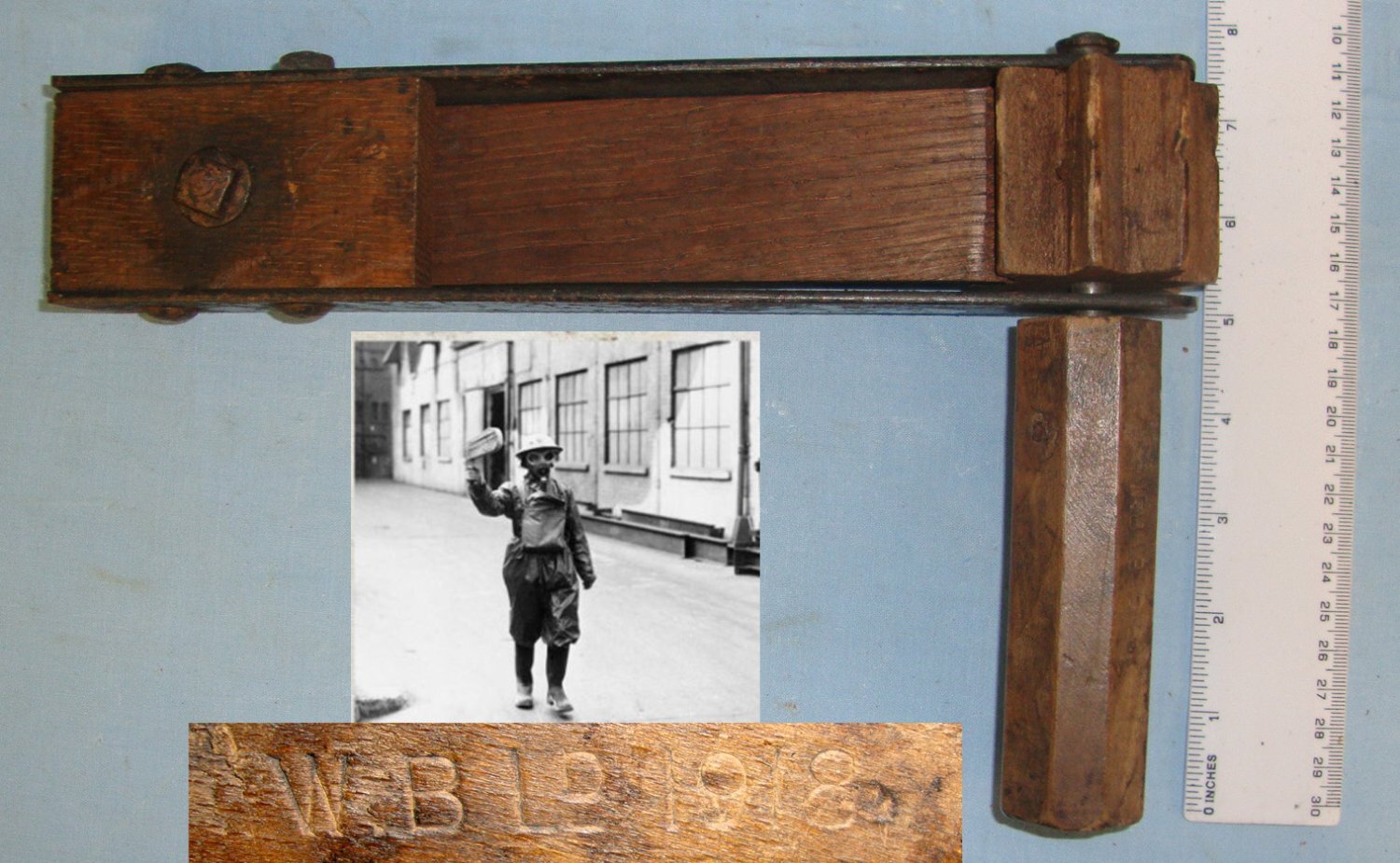
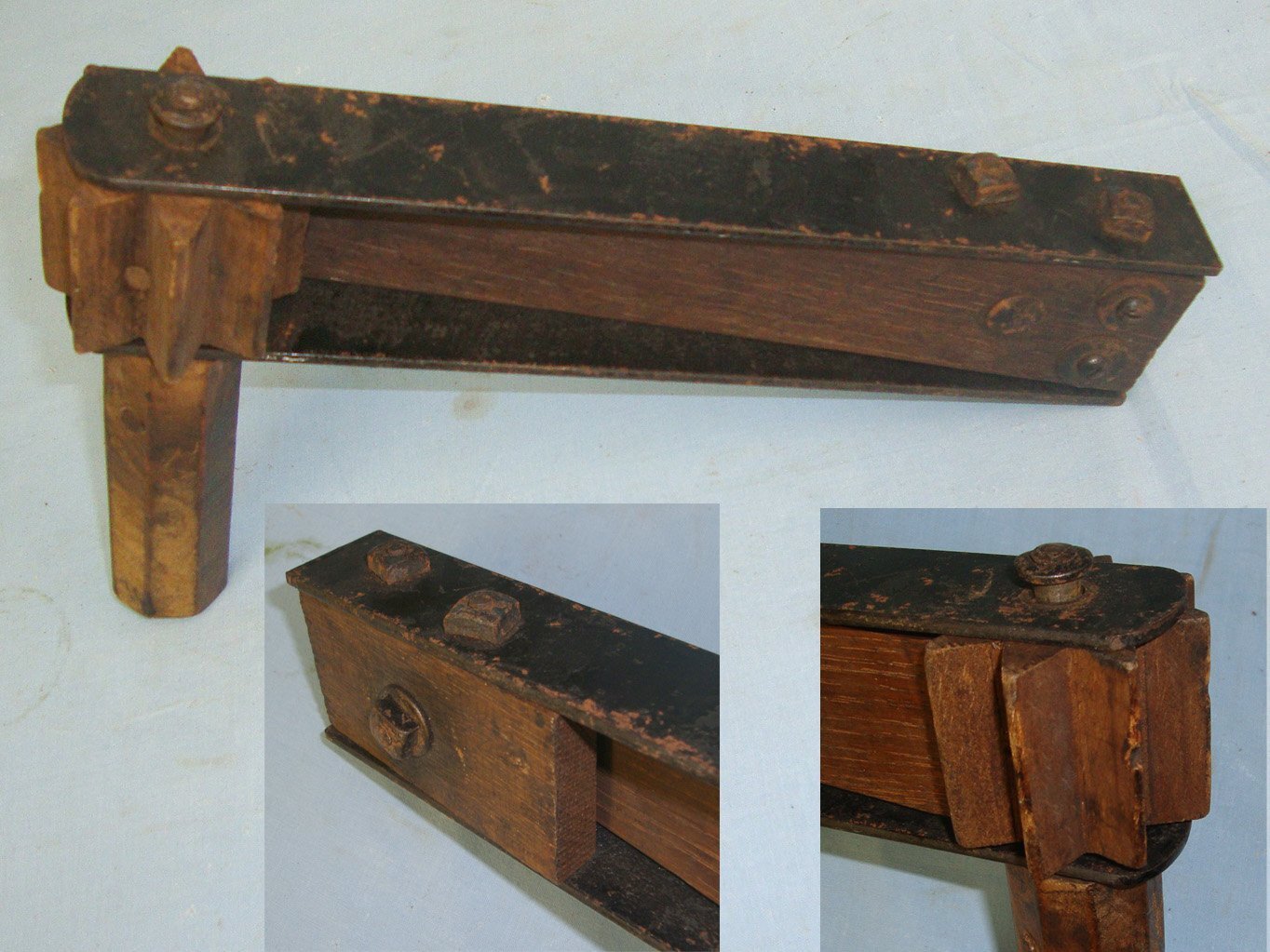
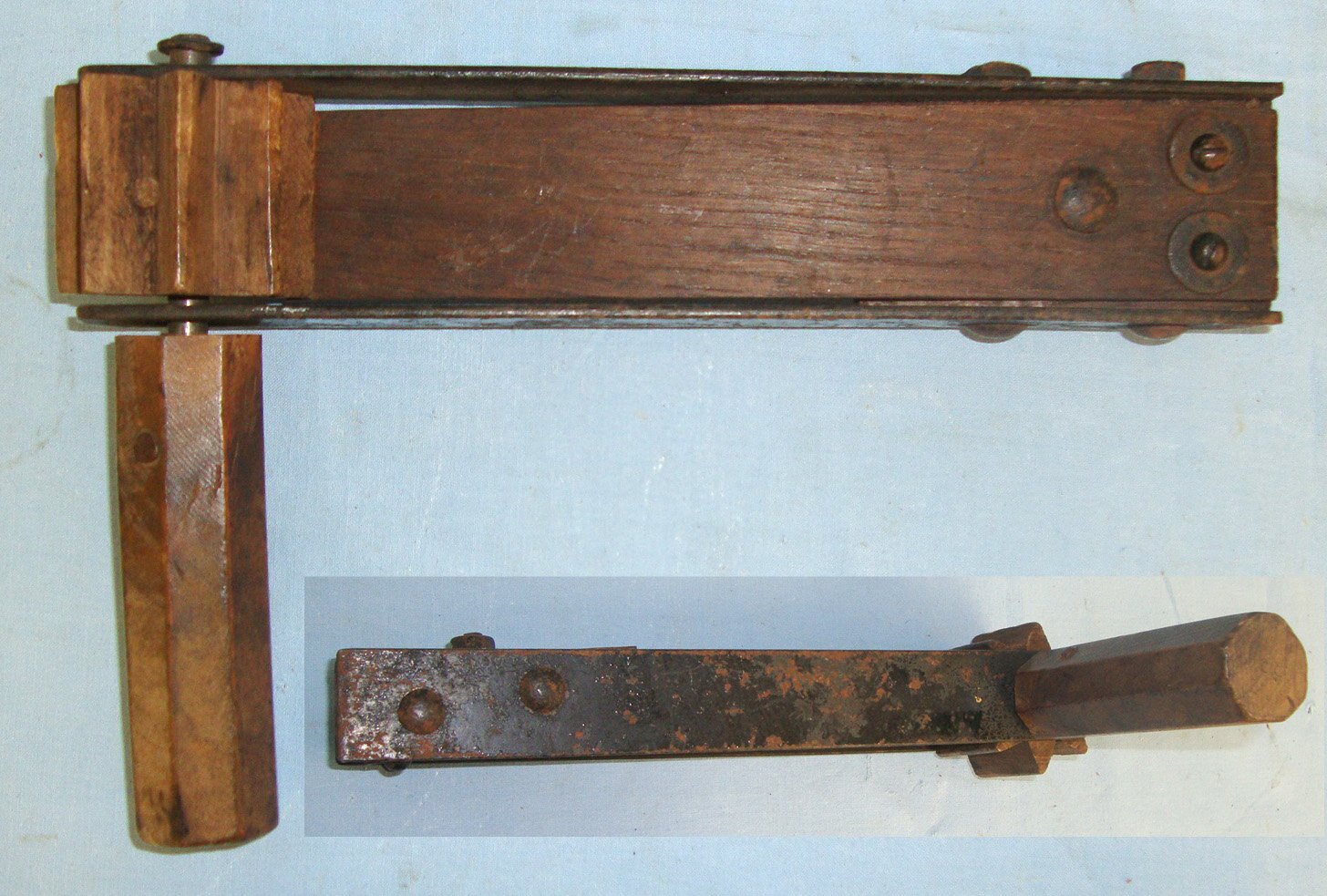
When gas was introduced onto the battlefield in 1915 (at the battle of Ypres, Belgium), it was common to use large cylinders that would send billowing clouds of gasses like Xylyl bromide and chlorine towards the enemy lines. Soldiers developed several ways to warn each other of inbound gas. Whenever the hiss of a gas cylinder or explosion of a shell was heard, a lookout would yell “gas!” to everyone in earshot. To communicate the warning up and down the lines, everything from church bells to air horns was used. Eventually, the men found that klaxon horns and wooden alarm rattles worked best ( a period image of a similar gas rattle in use by a British Soldier equipped for gas attack is illustrated in image 1). Alarm rattles were preferable because they were lightweight, easy to carry, and had a simple design. The rattle worked by whirling the device overhead, which caused a loud whirring sound. The gas alarm rattle was made primarily of wood & Iron. The gas alarm rattle was sometimes referred to as a ‘Policeman’s rattle’ because they were similar to those used by civilian police. Our original WW1 dated example made from hardwood with an iron frame is 11 ½” long and has a 7 ½” revolving handle attached to a wood cog that knocks together two pieces of wood when spun, which in turn makes a loud clacking noise. The handle is impressed with maker name ‘WD Ld (Limited)’ a known maker of these rattles together with 1918 date. This rattle is in remarkably good condition for its age. The price includes UK delivery. MISC 822. (Storeroom shelves entrenching box)
£195.00

Related ads
3 photos
![German WW 1Gruson Ballooon Gun (53x176R) German WW 1Gruson Ballooon Gun (53x176R) Round Antique & Militaria]() £ 295
Promoted
£ 295
Promoted



Not quite what you’re looking for?