Most air rifle buying guides jump straight to powerplants and calibres. That stuff matters, but it's not what trips beginners up.
What catches people out is the legal side. How buying air rifles actually works. What storage the law expects from you. The hidden costs of certain rifle types. And the fact that "UK law" isn't even one set of rules, depending on where you live.
This guide covers all of it. The practical decisions, the legal constraints, and the stuff other guides gloss over or skip entirely.
UK Air Weapon Law: The Basics
Air rifles sit in a specific legal category. In England and Wales, most air weapons don't need a firearm certificate, but they are still legally classed as firearms. That distinction matters.
The key threshold is muzzle energy. An air rifle with a muzzle energy at or below 12 ft-lb doesn't require a certificate. Go above that, and you're into Firearm Certificate (FAC) territory, which means the same licensing process as a shotgun or conventional rifle. For air pistols, the limit is even lower: 6 ft-lb. Above that, they're prohibited weapons entirely.
You must be 18 or over to buy or hire an air weapon in England and Wales. There's no getting around this, and retailers are required to verify it.
Where You Can Shoot
You can only shoot on private property, and you should have the landowner's permission. That might be your own garden, a friend's land, or a club range, but it has to be private.
Two specific offences catch beginners off guard. It's illegal to fire a pellet beyond the boundary of the property you're shooting on. It's also an offence to fire within 50 feet (about 15 metres) of the centre of a public road if it injures, interrupts, or endangers anyone using that road.
Practically, this means you need a clear backstop, you need to know exactly where your property boundary sits, and you need to think about what's behind your target. A pellet doesn't stop because you want it to.
Air Weapons vs Airsoft vs Firearms
This confusion comes up more than you'd expect. An "air weapon" under UK law means a lethal barrelled weapon powered by compressed air or gas, with a muzzle energy above 1 joule (roughly 0.7 ft-lb). Below that threshold, you're generally in airsoft territory, which has different rules.
Above the 12 ft-lb rifle limit (or 6 ft-lb for pistols), your air weapon legally becomes a Section 1 firearm and needs a certificate. Some retailers sell "FAC-rated" air rifles with higher power for pest control or competition use, and they look identical to sub-12 models on the shelf. If you're a beginner, stay well clear. You need a Firearm Certificate to buy, possess, or use one, and the application process involves police vetting, a secure cabinet, and a valid reason.
Scotland, Northern Ireland, and Why "UK Law" Is Misleading
If you live in Scotland, the rules are fundamentally different. Since December 2016, you need an Air Weapon Certificate (AWC) just to own any air weapon, regardless of power. This is issued by Police Scotland and requires an application, a background check, and a good reason (like pest control or target shooting).
Age rules in Scotland are also stricter. Under 14, you can't hold a certificate at all. Between 14 and 17, you can apply for a certificate but cannot buy, hire, or own the weapon yourself. If you're visiting Scotland with an air weapon from England or Wales, you'll need a visitor permit.
Northern Ireland has its own firearms legislation separate from Great Britain. Air weapons there generally fall under the Firearms (Northern Ireland) Order, and the rules on certification differ again. If you're in Northern Ireland, check with the PSNI directly before buying anything.
The point is this: if someone gives you "UK air rifle" advice that doesn't mention where in the UK they mean, treat it with caution.
How Buying Actually Works
This is one of the biggest gaps in most guides. You can't just order an air rifle online and have it posted to your front door. Not legally, anyway.
Under the Violent Crime Reduction Act 2006, a seller transferring an air weapon "by way of trade or business" must do so face-to-face. Both the buyer (or their representative) and the seller (or their representative) must be physically present for the handover. This applies across Great Britain.
In practice, this means one of three things when you buy:
You walk into a shop and buy it over the counter. This is the simplest route. The retailer checks your age, you pay, and you walk out with the rifle.
You order online and collect in person. Many online retailers let you buy through their website, but you collect from their premises or a designated collection point. The face-to-face check happens at pickup.
You order online and it's delivered to a Registered Firearms Dealer (RFD). Some retailers ship to a local RFD near you, who then handles the face-to-face transfer. You'll usually pay the RFD a small handling fee for this.
What you can't do is have a retailer post a rifle directly to your home. If a website seems to offer this, that should raise questions about their compliance.
Power Systems Explained
This is where most guides start, and for good reason. The powerplant is the single biggest decision that shapes your shooting experience, maintenance needs, and total cost.
Spring Piston (Break Barrel)
You cock the rifle by breaking the barrel downward, which compresses a spring. Pull the trigger, the spring releases, pushes a piston forward, and the compressed air fires the pellet.
Spring rifles are the traditional starting point. They're self-contained (no external air source), relatively cheap, and mechanically simple. The trade-off is recoil. A spring piston produces a distinctive forward-then-back "double recoil" that affects your hold and accuracy. You'll need to learn the "artillery hold" (resting the rifle loosely rather than gripping it tight) to shoot them well.
They're single-shot by design. You load one pellet, break the barrel, shoot, repeat. For many beginners doing garden target shooting, this is actually a plus. It slows you down and forces good habits.
Gas Ram (Gas Piston)
Same principle as a spring piston, but the metal spring is replaced by a sealed gas strut. The cocking action compresses gas instead of a coil.
The practical difference for a beginner: smoother firing cycle, less twang, and the gun can be left cocked without weakening over time (a spring can take a set if left compressed). They tend to be quieter too. On the downside, if the gas ram seal fails, it's a workshop job rather than a simple spring swap.
Pre-Charged Pneumatic (PCP)
PCP rifles use a reservoir of compressed air, filled from an external source. You get multiple shots per fill (often 30 to 100+ depending on the rifle and calibre), virtually no recoil, and typically the best accuracy of any powerplant type.
The catch is the ecosystem. A PCP rifle on its own is useless without an air source, and that's where beginners underestimate the cost and complexity. More on this in the next section.
CO2
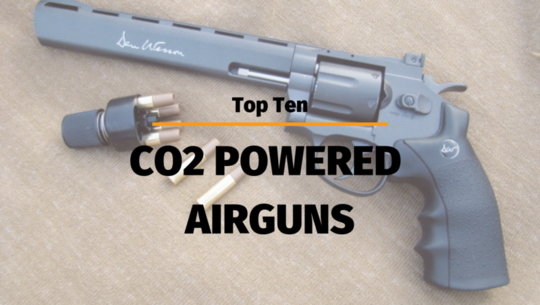
CO2 rifles use small disposable capsules (usually 12g) or larger bulk-fill bottles. They're simple, low-recoil, and often cheap.
The downside: CO2 is temperature-sensitive. Performance drops noticeably in cold weather, which is a real consideration for UK shooters spending half the year in single-digit temperatures. Shot count per capsule is limited, and the ongoing cost of capsules adds up. Most serious shooters treat CO2 as a stepping stone rather than a long-term platform.
The Real Cost of PCP
Every guide mentions that PCP rifles "need a pump or a tank." Few explain what that actually means in practice.
A PCP rifle's reservoir typically fills to somewhere between 150 and 250 bar (roughly 2,200 to 3,600 psi), depending on the model. You need equipment that can deliver that pressure safely and consistently.
Your Three Fill Options
A hand pump is the cheapest entry point, typically £50 to £100. It works, but filling a rifle from empty to 200 bar by hand is a real workout, around 200+ pump strokes. You'll do it, but you won't love it.
A diving bottle (or "buddy bottle") is a large high-pressure cylinder, usually 3 to 12 litres, pre-filled at a dive shop or specialist. They cost £100 to £250+ for the bottle itself, plus you'll need a compatible filling adaptor and hose for your specific rifle (another £30 to £60). A full bottle gives you many fills. Getting it refilled costs roughly £5 to £15 per fill depending on the shop.
A dedicated air compressor designed for airgun use delivers the most convenience. Plug in, connect, fill. But these start at around £200 for budget models and run to £500+ for reliable, quiet units.
Compatibility Matters
Not all fill equipment connects to all rifles. Check the fill probe or connector type on the rifle you're considering, and make sure your air source, hose, and adaptor all match. Buying a rifle from one brand and a pump designed for another can mean incompatible fittings and an extra trip to buy adaptors.
Factor In the Total Cost
A PCP rifle that costs £300 might need another £100 to £250 in fill equipment before you fire a single shot. If you're on a tight budget, a spring or gas ram rifle that works straight out of the box is a more honest starting point.
.177 vs .22: Choosing a Calibre
Two calibres dominate the UK sub-12 ft-lb market: .177 (4.5mm) and .22 (5.5mm). The choice isn't complicated, but it does depend on what you plan to do.
.177 Calibre
Lighter pellets, higher velocity, flatter trajectory. This makes it more forgiving at varying distances because the pellet drops less. It's the standard calibre for formal target shooting and club competitions.
For garden plinking and paper targets, .177 is a great default. Pellets are cheaper, and accuracy at typical garden ranges (10 to 30 metres) is excellent.
.22 Calibre
Heavier pellets, lower velocity, more energy transfer on impact. This makes .22 the go-to for pest control, because the heavier pellet delivers more knockdown power within the sub-12 ft-lb limit.
If you're planning to use your rifle for controlling rats or other vermin, .22 is the standard recommendation. The trade-off is more pellet drop at range, which means learning to compensate for trajectory becomes more important.
The Short Version
Targets and plinking: .177. Pest control: .22. If you genuinely want to do both, .177 is the more versatile starting point, but neither choice is wrong.
Budget: What to Expect
Your budget shapes what's realistic. Here's a rough guide to what you'll find at different price points in the UK market.
£100 to £200
Entry-level spring or gas ram rifles. At this price, you'll get a functional, accurate rifle from brands like Gamo, BSA, or Hatsan. Some come bundled with a basic scope. These are genuinely good starting points, and many experienced shooters still have a sub-£200 springer they enjoy.
£200 to £500
Mid-range territory. This is where you'll find higher-quality spring and gas ram rifles from brands like Weihrauch, Air Arms, and BSA, plus entry-level PCP rifles. Build quality, trigger refinement, and accuracy all improve noticeably.
If you're buying a PCP in this range, remember to budget for fill equipment on top.
£500 and Above
Higher-end PCP rifles, premium springers, and specialist models. At this level, you're paying for engineering precision, better triggers, quieter operation, and features like regulated output (which keeps velocity consistent across the shot string).
For a first rifle, spending over £500 isn't necessary. Most beginners are better served by a good mid-range rifle and spending the savings on pellets, a decent scope, and range time.
Fit and Ergonomics
A rifle that doesn't fit you will always feel awkward to shoot, regardless of how good its reviews are. This is one of the most underappreciated parts of the buying process.
Length and Weight
Air rifles range from compact carbines (around 90cm, 2.5kg) to full-length sporting rifles (over 110cm, 4kg+). If you're shorter, have a smaller frame, or plan to carry the rifle any distance, a heavy full-length rifle will tire you out fast.
Pick the rifle up if you can. Shoulder it. See how it balances. Does the weight sit forward (barrel-heavy) or does it feel neutral? Neither is wrong, but both feel very different.
Stock Fit
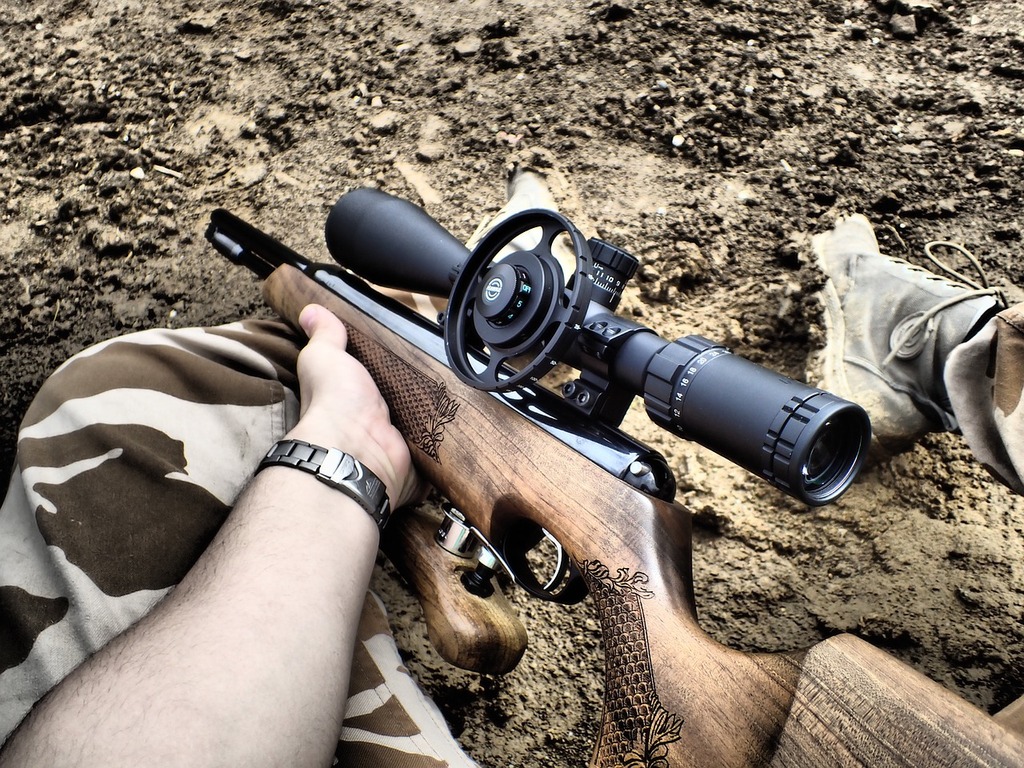
The stock is the part that sits against your shoulder and cheek. Three things matter. The length of pull (distance from the trigger to the butt pad) should let you reach the trigger comfortably without stretching or cramming. The cheekpiece height should bring your eye naturally in line with the scope or sights. And the overall grip should feel natural in your hands.
If the rifle has an adjustable butt pad or cheekpiece, that's a genuine advantage for getting a personalised fit.
Stock Material
Most beginner rifles come with either synthetic or wooden stocks. Synthetic is lighter, weatherproof, and typically cheaper. Wood looks and feels better to many shooters but adds weight and needs some care in wet conditions.
This is a personal preference, not a performance one. Pick whichever you'll enjoy using.
Safe Storage: The Law and What It Means
This is the section most guides either skip or reduce to a single line about "keeping your rifle secure." The law is more specific than that, and failing to comply is a criminal offence.
Under the Crime and Security Act 2010, it's an offence to fail to take reasonable precautions to prevent anyone under 18 from gaining unauthorised access to an air weapon. That's not guidance. It's an offence with legal consequences.
What "Reasonable Precautions" Actually Looks Like
Home Office guidance gives concrete examples. Store your air weapon out of sight. Store it separately from pellets. Keep it inside the house rather than in a shed or outbuilding. Consider rendering it incapable of being fired (such as by removing a key component).
More specifically, a lockable cupboard or gun cabinet with the keys stored separately is the clearest way to demonstrate compliance. A trigger lock or cable lock through the action adds another layer.
The standard to aim for: if someone under 18 entered the space where your rifle is stored, would they be able to access it? If the answer is yes, you haven't taken reasonable precautions.
Practical Storage Setup
You don't need to spend hundreds on a full steel gun cabinet for an air rifle (though you can). A lockable cupboard, a sturdy case with a padlock, or a dedicated gun bag stored in a locked wardrobe all work. The critical elements are: out of sight, locked, and keys kept separately.
Store pellets in a different location from the rifle. This is explicitly part of the guidance and often the detail people forget.
Accessories You Actually Need
It's tempting to buy everything at once. Don't. Start with the essentials and add things as you figure out what you actually need.
Pellets
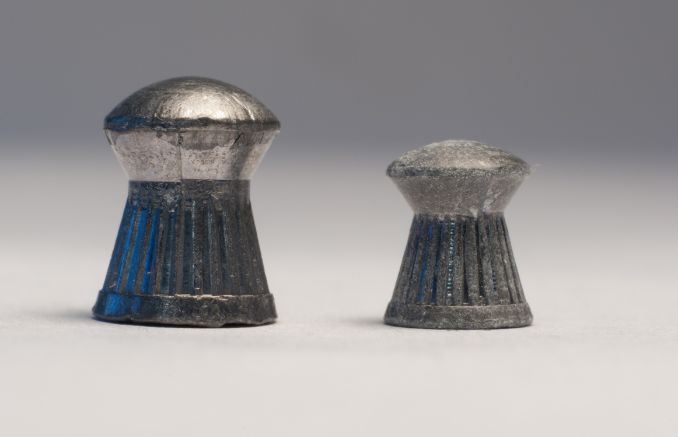
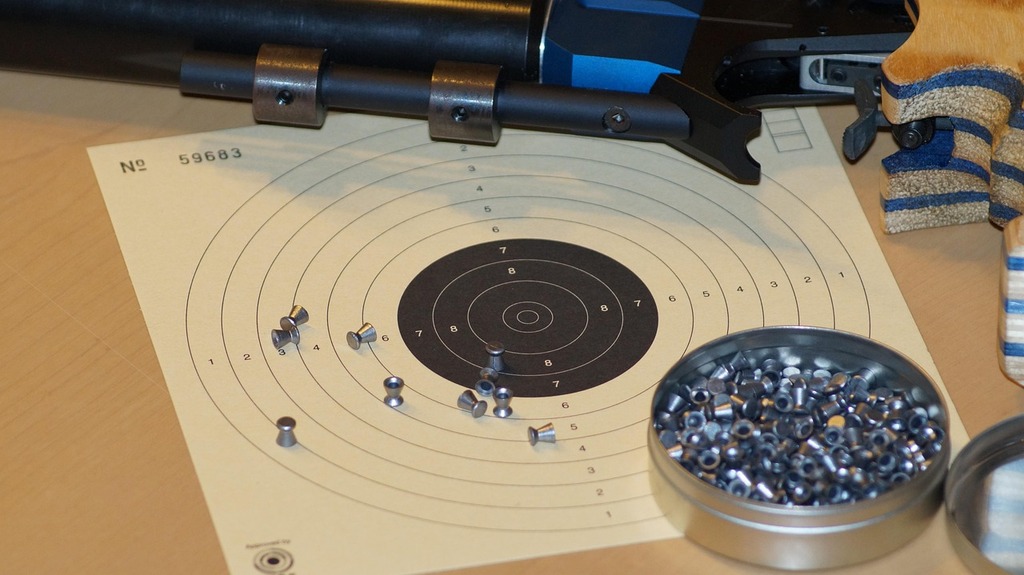
Buy two or three tins of different brands in your chosen calibre and test them. Rifles are picky about pellets. A tin that shoots tight groups from one rifle might scatter from another. Dome-head (round-nose) pellets are the best general-purpose starting point.
Avoid "bargain" bulk pellets from unknown brands. Consistency matters more than quantity.
Scope or Sights
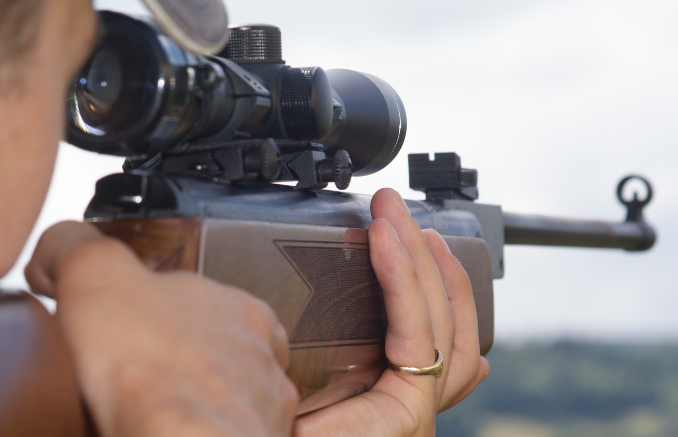
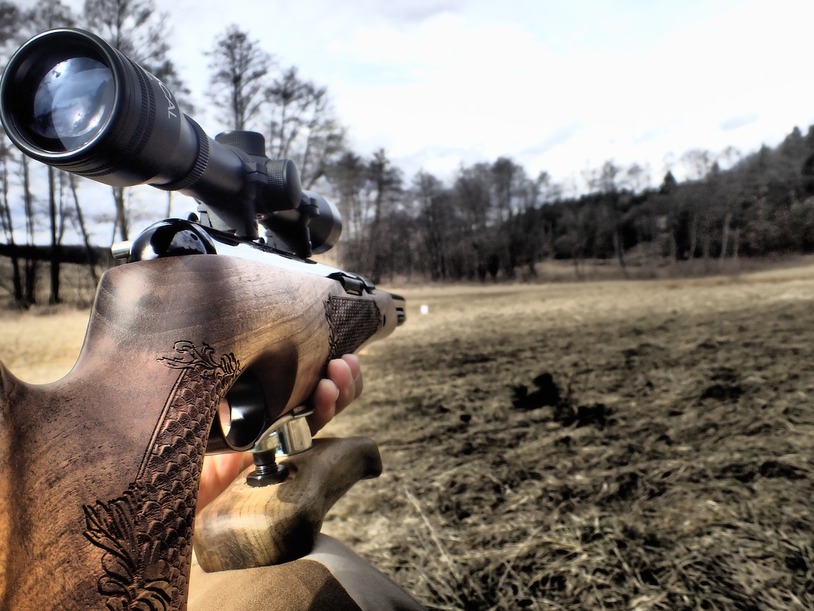
Many beginner rifles come with open sights (iron sights), which are perfectly fine for learning. If you want a scope, a 3-9x magnification variable scope is a sensible first choice. It gives you enough zoom for garden distances without being overly specialised.
Make sure the scope mounts match your rifle's rail (most air rifles use 11mm dovetail rails, not the Picatinny/Weaver rails common on firearms). Budget £40 to £80 for a decent starter scope, and don't forget the mounts.
Zeroing your scope (adjusting it so the crosshairs align with where pellets actually land) is a skill you'll need to learn. It's not difficult, but it takes patience and a consistent shooting position.
Pellet Trap and Targets
If you're shooting in a garden, you need a proper pellet trap. This is a metal box or funnel that catches pellets safely. Shooting at tin cans or makeshift targets without a backstop is how pellets end up in places they shouldn't be.
A decent pellet trap costs £20 to £50. Paper targets or printable targets are cheap and give you something to measure your progress against.
Gun Bag or Slip
You need something to transport and store your rifle in. A padded gun slip (essentially a long, zipped bag) costs £15 to £30 and serves both purposes. The Home Office guidance specifically mentions transporting air weapons in a gun slip when moving them.
What You Don't Need Yet
A bipod, a custom stock, a chrono, a specialist cleaning rod, match-grade pellets, or a £200 scope. All of these have their place, but none of them are first-purchase items. Spend the money on pellets and practice instead.
Kids and Junior Shooters
Air rifle shooting can be a brilliant activity for young people, but the legal framework around children and air weapons is strict and specific.
The Age Rules
In England and Wales, anyone under 18 cannot buy or hire an air weapon. A person aged 14 to 17 can use an air rifle unsupervised on private property where they have permission, but they cannot carry it in a public place unsupervised. Under 14, a child can only use an air weapon under the direct supervision of someone aged 21 or over, and only on private premises.
In Scotland, the rules layer on top of the AWC requirement. Under 14, a child cannot hold a certificate at all. Between 14 and 17, they can apply for a certificate but cannot buy, hire, or own the weapon.
Your Legal Responsibility
As the adult, the "reasonable precautions" offence applies directly to you. If a child under 18 gains unauthorised access to your air weapon, you've potentially committed an offence. Secure storage isn't optional when there are young people in the household. It's a legal requirement.
Practical Supervision
The Home Office recommends that beginners (of any age) start at a shooting club with a qualified instructor. Many clubs run junior sessions with age-appropriate rifles, proper range discipline, and structured coaching. This is a far better way for a young person to start than handing them a rifle in the back garden.
If you do supervise a child at home, the supervising adult should be within arm's reach and able to take immediate control of the rifle at any time. Never leave a young person unsupervised with a loaded rifle, even for a moment.
Handling Lead Pellets Safely
This rarely comes up in buying guides, but it's a practical consideration, especially for families and anyone shooting regularly.
The vast majority of air rifle pellets are made from lead. Lead is a toxic metal, and repeated handling creates exposure through skin contact and ingestion (touching your face or eating without washing hands after handling pellets).
The precautions are simple: wash your hands after handling pellets and after shooting. Don't eat, drink, or smoke while handling ammunition. If you're shooting indoors or in an enclosed space, ventilation matters.
For garden shooters, spent pellets accumulate in and around your pellet trap. Over time, this creates a concentration of lead in the soil. Periodically empty your trap and dispose of the lead properly rather than letting it build up. Your local council's waste disposal service can advise on how to handle small quantities of lead waste.
This isn't a reason to avoid the hobby. It's just a reason to wash your hands and not let your kids play in the pellet trap.
Maintenance Basics
Air rifles are mechanically simple compared to firearms, but they're not zero-maintenance.
Spring and Gas Ram Rifles
Keep the barrel clean by running a pull-through after every session. A light wipe of the exterior metalwork with an oily rag prevents surface corrosion. That's about it for routine care.
Don't over-oil the compression chamber. A single drop of the correct silicone oil (not WD-40, not 3-in-1) every few thousand pellets is enough. Too much oil causes "dieseling," where the oil ignites during compression, damaging seals and producing inconsistent velocities.
PCP Rifles
Same barrel and exterior care as above. On top of that, check your fill probe and O-rings periodically for wear. A damaged O-ring will leak air, and you'll lose your charge faster than expected. Most manufacturers sell replacement O-ring kits cheaply, and swapping them is a five-minute job.
Keep the air reservoir within its recommended pressure range. Overfilling can damage the regulator (on regulated rifles) or stress seals.
When to Get It Serviced
If accuracy drops off, the rifle starts making unusual noises, or you notice a loss of power, it's time for a professional service. A good airgun dealer or specialist workshop can strip, clean, and reseal a rifle for £40 to £80 typically. Build this into your long-term cost expectations, especially for spring rifles where mainsprings eventually wear out.
Try Before You Buy
If you possibly can, handle the rifle before committing. Nothing replaces the feel of a rifle in your hands, shouldered against your cheek, with your finger finding the trigger naturally.
Where to Try
Specialist airgun shops often have ranges or will let you shoulder display models. Some shooting clubs offer "have a go" days or taster sessions where you can try different rifle types. County shows and game fairs sometimes have airgun stands.
What to Pay Attention To
Does the trigger feel manageable? Is the safety catch easy to find and operate by feel? Can you load a pellet without fumbling? Does the cocking mechanism feel smooth, or does it take more effort than you expected?
These are things you can't learn from a product listing. Ten minutes with a rifle in your hands will tell you more than ten hours of reading reviews.
New vs Second-Hand
Second-hand air rifles can be excellent value. A well-maintained spring rifle will last decades, and you can pick up quality brands for half their new price.
What to Check on a Used Rifle
Look at the overall condition. Surface rust, heavy wear on the blueing, and a battered stock suggest hard use. Check the breech seal (the small rubber ring where the barrel meets the action on a break-barrel rifle). A perished seal means lost power, though it's a cheap and easy fix.
Ask to fire it, or at least cock and dry-fire it. The action should feel smooth. Any grinding, crunching, or excessive play suggests worn internals.
For PCP rifles, ask when the seals were last serviced and what pressure the reservoir holds. A PCP with tired seals will lose air overnight, and a reseal can cost £50 to £100 from a specialist.
Where to Buy Second-Hand
Specialist airgun forums, reputable dealers who take trade-ins, shooting clubs, and well-known platforms like Gunstar are your safest bets.
Remember the face-to-face rule. A private sale between individuals doesn't fall under the Violent Crime Reduction Act's "by way of trade or business" provision, but buying from a private seller at a distance still carries practical and legal considerations. Meeting in person to inspect and transfer the rifle is always the safest approach.
Joining a Club
The Home Office guidance specifically recommends that new shooters consider joining a club and learning from a qualified instructor. This isn't just good advice for safety reasons. It's also the fastest way to improve.
A club gives you access to proper ranges, coaching, and other shooters' experience. You'll get to try different rifles, ask questions from people who've made every beginner mistake already, and learn range discipline that translates to safe shooting anywhere.
Most clubs welcome beginners and don't require you to own a rifle to start. Many have club rifles you can use while you figure out what you want.
Search for clubs through the NSRA (National Small-bore Rifle Association) or BASC (British Association for Shooting and Conservation). Both maintain directories of affiliated clubs across the UK.
Making Your Decision
You've got a lot of information at this point. Here's how to pull it together.
Start with your purpose. Are you doing garden plinking and paper targets? A .177 spring or gas ram rifle in the £100 to £200 range is hard to beat. Pest control? A .22, likely a PCP if your budget stretches to include fill equipment. Club shooting? Talk to the club first about what they shoot and recommend.
Factor in the total cost. Rifle plus scope plus pellets plus pellet trap plus storage solution plus (for PCP) fill equipment. Anything left over goes on pellets and practice.
Handle before you buy if at all possible. If you can't, buy from a retailer with a good reputation and a clear returns process.
And take your time. A first air rifle should be something you enjoy shooting, not something you rushed into because a website had a sale on. The rifle that fits you, that you shoot well, and that you actually use is always the right choice.