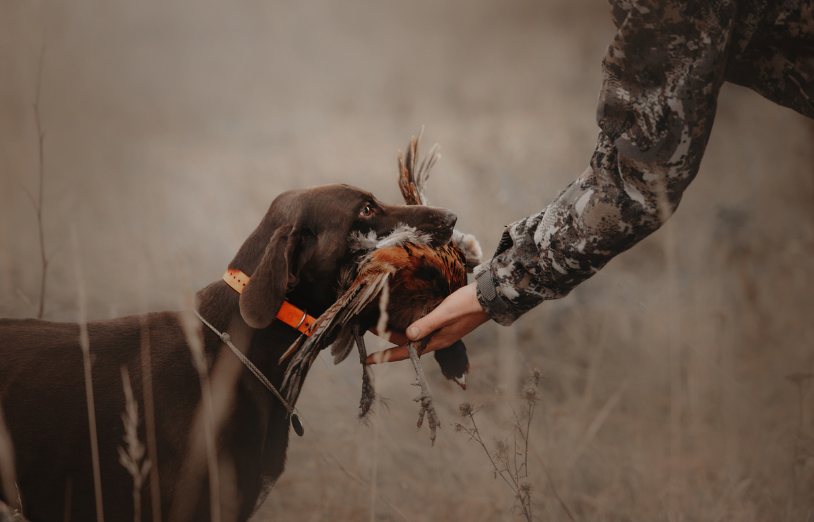
August always seems to arrive faster than expected.
One minute you're enjoying a relatively quiet summer with the dog, and the next you're looking at the calendar and realising the shooting season is just around the corner. For many handlers, this is the point where preparation starts to become a little more serious.
The truth is that most dogs don't go straight from summer walks into regular shooting without showing a few cracks. Fitness slips. Handling becomes a little rusty. Small bad habits creep in. None of it is usually dramatic, but it's often enough to remind you that there is a big difference between being active and being ready for work.
The good news is that August gives you time to put things right before they become problems.
Summer Exercise Isn't the Same as Shooting Fitness
One of the most common assumptions at this time of year is that a dog that's been exercised all summer must be fit.
Unfortunately, it doesn't quite work like that.
A five-mile walk across fields and footpaths is very different from a full day's work on a shoot. Picking-up dogs may spend hours sitting quietly before being asked to retrieve repeatedly. Spaniels can cover an enormous amount of ground during a day beating. Even dogs that appear fit can start to struggle when they're asked to work hard for long periods.
That's why many experienced handlers start changing their routines during August. Walks become more purposeful. Hills replace flat ground where possible. Retrieves are worked into exercise sessions. Dogs are exposed to woodland, cover crops, rough ground and water rather than simply following the same routes they've walked all summer.
The aim isn't to create an elite athlete. It's to build the kind of stamina that allows a dog to stay focused and productive throughout a long day.
Weight is worth paying attention to as well. A dog carrying a little extra condition in August might not look particularly overweight, but those extra kilos often become noticeable once the season gets underway. If your dog has had a quieter summer than usual, now is a good time to assess whether its feeding and workload are still balanced.
The Small Training Gaps That Show Up First
Fitness tends to get most of the attention before the season, but training is often where the first problems appear.
Dogs rarely forget everything they've learned. What usually happens is that standards begin to slip around the edges.
The stop whistle might not be quite as sharp as it was six months ago. A spaniel that once hunted neatly in range starts pushing a little wider. Delivery to hand becomes slightly casual after a summer of informal dummy retrieves. A retriever becomes overly reliant on marked retrieves and starts questioning directions on blinds.
None of these issues are unusual.
In fact, most handlers see some version of them every year.
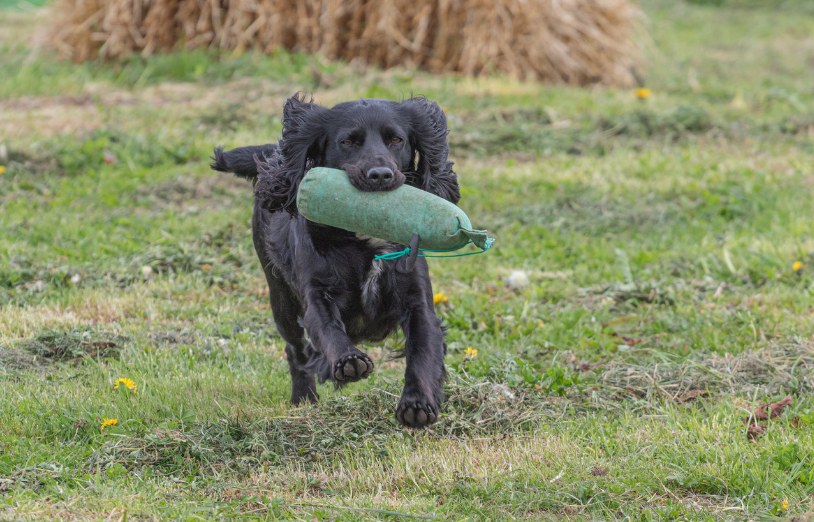
The key is to address them now rather than waiting until they're exposed during a shoot. A few weeks spent revisiting basics can make a significant difference. Stop whistle work at distance, simple blind retrieves and steadiness exercises don't need to be complicated. Often it's just a case of reminding the dog what is expected before the pressure of the season returns.
It's remarkable how quickly a dog can sharpen up when given consistent work again.
Why Training Around Other Dogs Matters
Many dogs look exceptional when they're training on their own. The real test comes when excitement enters the equation.
A shoot day is full of distractions. Other dogs are working. Birds are moving. Vehicles are arriving and leaving. People are talking. There is noise, activity and anticipation throughout the day.
That's why training around other dogs is so valuable before the season starts.
A dog that remains steady while another dog retrieves is often worth its weight in gold. The same applies to dogs that can sit quietly, wait their turn and switch off when nothing is required of them. These aren't the skills that attract attention, but they are often the ones that make a day run smoothly.
Where possible, try to arrange training sessions with friends or local handlers. The opportunity to work around distractions often reveals weaknesses that never appear when training alone.
It's also worth considering game exposure if your dog hasn't seen game for several months. Training dummies are invaluable, but they don't replicate the scent, texture or excitement of real birds. A controlled session with cold game can provide a useful reminder and help identify any issues before the season begins.
Don't Overlook the Practical Stuff
Most handlers spend plenty of time thinking about training, but practical preparation is often forgotten.
Feet are a good example.
Dogs that have spent much of the summer on grass and softer ground can struggle when they're suddenly introduced to stubbles, woodland rides and rough tracks. Checking pads, nails and dew claws before the season starts can prevent a lot of unnecessary problems later on.
It's also worth looking at your transport setup.
Dog boxes, crates, ventilation systems and water supplies tend to get taken for granted until something goes wrong. August and September can still bring surprisingly warm weather, particularly for dogs working hard in cover crops. Making sure your vehicle is properly ventilated and that fresh water is always available should be considered basic preparation.
A canine first aid kit is another sensible addition. Most days you'll never need it, but when you do, you'll be glad it's there.
Prepare for the Job Your Dog Will Actually Be Doing
One mistake many handlers make is trying to prepare for every possible scenario.
In reality, most dogs have a fairly specific role.
A picking-up dog on large driven shoots faces different demands from a spaniel working rough cover. An HPR handling walked-up days requires different preparation from a dog that spends much of its time sitting in a line waiting for retrieves.
The most productive training is usually the training that reflects the work ahead.
Think about what your dog is likely to encounter this season. Will it be hunting regularly? Sitting quietly for long periods? Retrieving at distance? Working around multiple dogs? Facing water retrieves?
Once you know the answers, your preparation becomes much easier to focus.
Thinking About a New Gundog This Season?
Interestingly, the weeks before the season can also be one of the best times to buy a new dog.
Young dogs have time to settle into their new homes before regular shooting starts, while experienced workers can be assessed properly and integrated into an existing team before the busiest part of the season arrives.

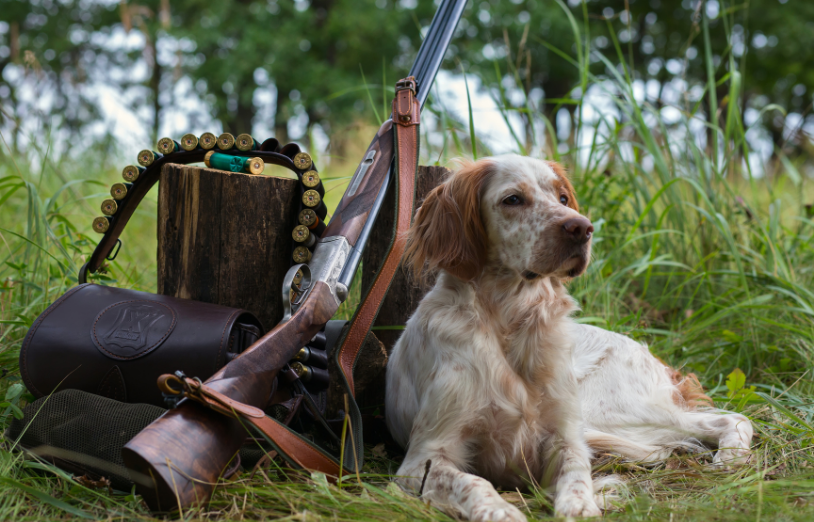
Whether you're looking for a proven picking-up dog, a young prospect from working lines or an experienced all-rounder, buying before the season gives you valuable time to establish routines and build a partnership before work begins in earnest.
Browse the latest Gundogs for Sale on Gunstar and find the right dog for the season ahead.
Final Thoughts
Most pre-season preparation isn't about teaching anything new. It's about tightening up the small details that tend to drift during the summer months.
A stop whistle that needs a reminder. Pads that need toughening up. Fitness that needs rebuilding. Steadiness that needs refreshing.
None of these things are particularly exciting, but they are often what separates a smooth season from a frustrating one. The handlers who seem to have the fewest problems once the shooting calendar gets busy are rarely doing anything revolutionary. More often than not, they've simply used August wisely. Put the work in now and both you and your dog will be grateful for it when the season gets underway.