Whether you're stalking red deer in the Highlands, walking up pheasants in the Borders, or managing pigeon numbers on farmland, the two most important pieces of kit in the UK shooting landscape are your optics and boots. These determine how comfortable, accurate, and effective you’ll be in the field. With the UK’s wet climate, varied terrain, and strict regulations, your gear must be durable, versatile, and tailored to British conditions.
UK Terrain & Weather Challenges
Shooting in the UK means preparing for:
- Constant damp: Rain, fog, and mud are common across all seasons.
- Low light: Overcast skies and long twilight hours demand optics that perform well in poor light.
- Mixed ground: Terrain varies from soggy fens to rocky hillsides, often changing in a single outing.
- Seasonal extremes: Winter frosts, autumn bogs, and humid summer woodlands all present unique challenges.
Choosing the Right Optics
Key Features:
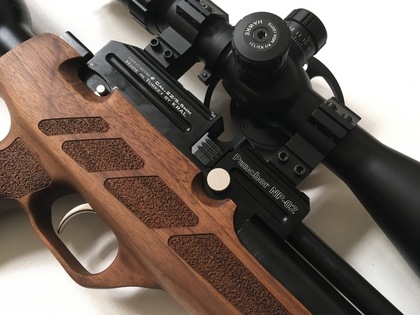
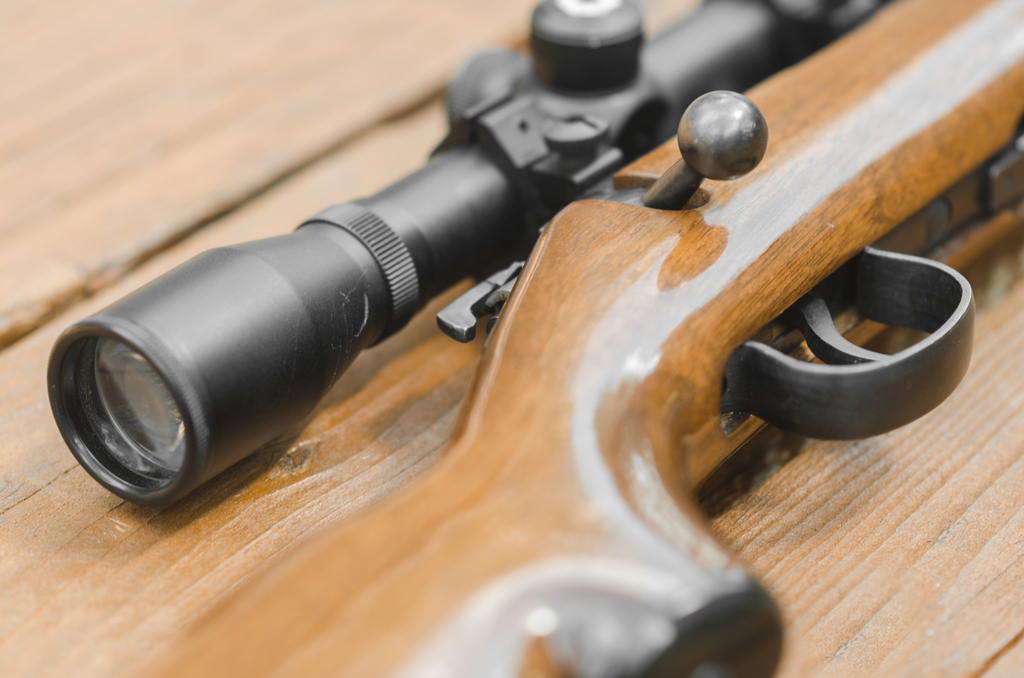
Light Transmission - Choose scopes with large objective lenses (50mm or more) and fully multi-coated glass. ED or HD glass improves clarity in low light.
Magnification & Field of View - A 3–12x or 4–16x scope suits most UK environments. A wide field of view is essential for woodland shooting and driven game.
Reticle & Adjustments - Illuminated reticles improve visibility during dawn and dusk. Side parallax adjustment helps keep images sharp at varying distances.
Durability - Look for waterproof, fog-proof (argon or nitrogen purged), and shock-resistant scopes. Rugged construction is essential for hill stalking.
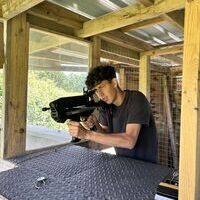
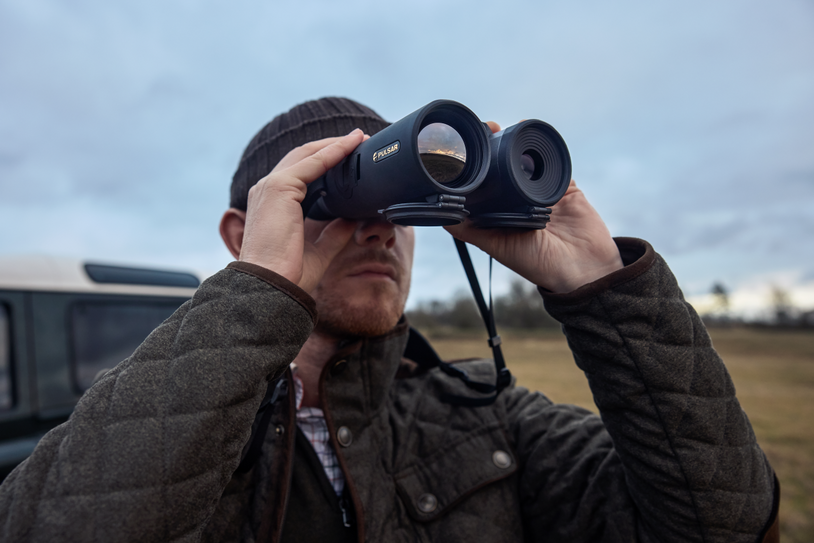
Night Vision & Thermal - Useful for pest control. Always check current UK laws before use. Prioritise long battery life and all-weather performance.
Choosing the Right Boots
Key Features:
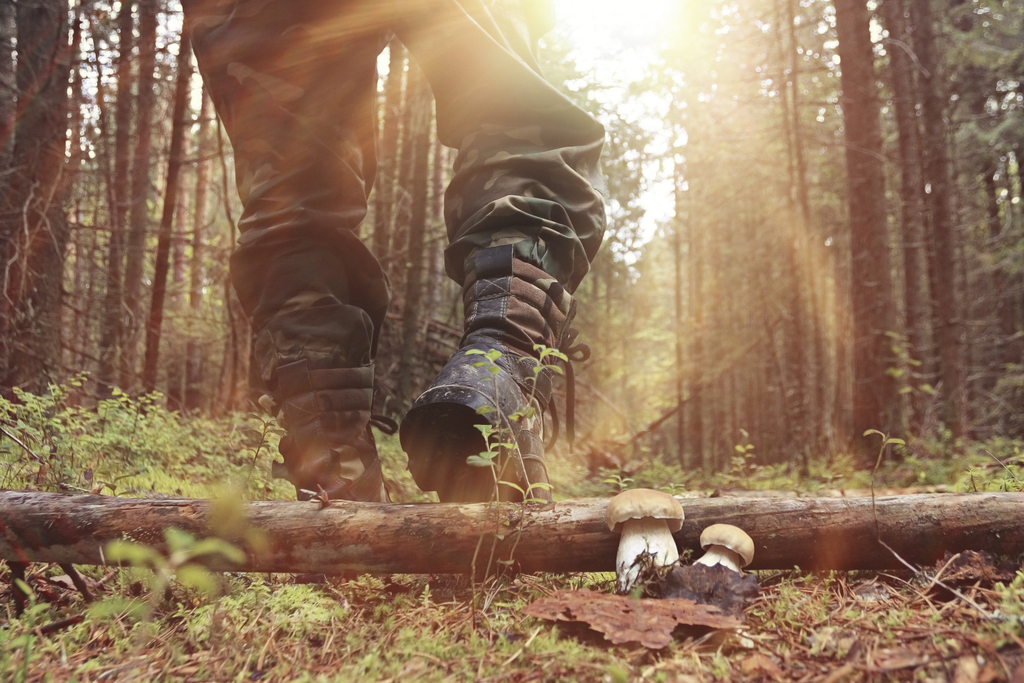
Waterproofing - Opt for Gore-Tex or eVent linings in walking boots. For wellingtons, neoprene lining adds warmth. Full-grain leather, properly treated, is the most durable.
Grip & Soles - Vibram soles with deep lugs offer strong grip in mud. Heel brakes help when descending steep, slippery ground.
Fit & Comfort - High ankle support is crucial on uneven terrain. Ensure room for thick winter socks. Cushioned insoles help reduce fatigue over long days.
Durability & Weight - Look for reinforced toe and heel caps to protect against rocks. Rubber rands increase lifespan. Strike a balance between protection and mobility, heavy boots offer support, but lighter ones allow quicker movement.
Matching Boots & Optics by Scenario
- Woodland stalking: Mid-weight boots with good ankle support, paired with a 3–12x scope and illuminated reticle.
- Upland driven game: Durable leather boots with Vibram soles, matched with a low-power variable scope for fast target acquisition.
- Marsh & wildfowling: Neoprene-lined wellingtons combined with fog-proof optics and rain guards.
- Night pest control: Quiet, lightweight boots and a thermal or night vision scope, ensure legal compliance.
Maintenance & Care
Boots - Clean mud off after each outing. Let them dry naturally, avoiding heat sources. Re-proof leather at least once per season.
Optics - Use lens cloths, not clothing sleeves. Store with silica gel to reduce moisture. Keep turrets tight and mounts secure.
Conclusion
Your boots keep you grounded. Your optics keep you accurate. In the UK’s wet, muddy, and often low-light conditions, choosing the right gear is essential. Invest in quality, care for it properly, and it will serve you well season after season, bringing confidence, comfort, and clean results in the field.