
Brown Bess Victorian Pattern Muzzleloader .75 Cal Muzzleloader Rifle
39” barrel London proofed to the left side of the breech, with sale mark and very faint Ordnance proofs, the underside of the barrel bears
the Enfield mark together with various ordnance inspection stamps. The top of the barrel is marked
“42 REG”, (The Black Watch) border engraved lock stamped with a crown over VR and TOWER across
the tail, Inspection stamp under the pan, full stocked with regulation brass mounts, with very faint
roundel to butt and faint inspection stamps to underside of butt, the butt plate tang stamped C/ 41 and
2D R.L.M (Royal Lancashire Militia), steel ramrod. Pattern 1839/42 type butt plate, trigger-guard and
fore-end cap. The lock of rounded form and stamped with the Crown V.R. cypher, swan-neck cock. This
interesting musket combines features of both the Type 3 (1839) India Pattern Bess and the later Pattern
1843 Enrolled Pensioner Musket. It has the form of stock of the India Pattern with high comb, handrail
wrist and apron around the barrel tang, yet is longer being the same length as the Pattern 1839 musket
terminating 3 ½” from the muzzle as opposed to the 4 ½”” of the India Pattern, the rammer pipes are
standard India pattern the buttplate, nosecap and trigger-guard are Pattern 1839. In 1843 there was
a need to provide arms for the Corps of Enrolled Pensioners which totalled approx. 10,000, some of
which formed parts of county militia’s, and it seems probable that some of these muskets were issued
to the normal militia when required. At the time there were no percussion arms available as preference
was being given to arming regulars, it was decided that the quickest option to provide arms for this force
was to produce flintlock arms utilizing parts in store. Muskets of this type remained in service for barely
5 years being replaced by Pattern 1845 Extra Service Musket (2nd Type P39 Muskets) from 1849.
Examples today are exceptionally scarce, some were sold off to the trade, reproofed and commercially
marketed, the majority were scrapped. In very good condition the stock fairly sharp the barrel to a grey
patina, no sling swivels and some minor abrasion to left butt.

Related ads
5 photos
![Webley & Scott Webley Premier .22]()
Webley & Scott Webley Premier .22
Milton Keynes
£ 449
8 photos
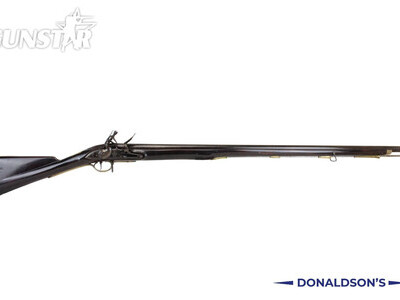
![Brown Bess Brown Bess Short Land Pattern 1769 Single Barrel Obsolete]() £ 5,999
5 photos
£ 5,999
5 photos
![Winchester Winchester 1894 .32-40 Lever Action .32-40 Winchester (.32-40 Ballard) Rifle]()
Winchester Winchester 1894 .32-40 Lever Action .32-40 Winchester (.32-40 Ballard) Rifle
Milton Keynes
£ 4,299
4 photos
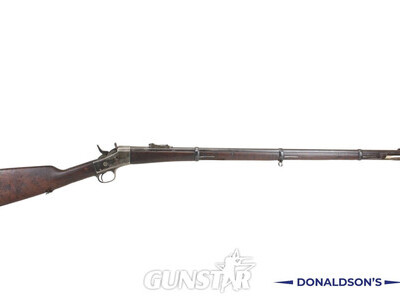
![Remington Rolling Block .41 Spanish Single Shot Obsolete Rifle]() £ 899
6 photos
£ 899
6 photos
![Walther Walther LP53 .177]()
Walther Walther LP53 .177
Milton Keynes
£ 999
1 photo
![Belgium Pinfire Revolver Belgium Pinfire Revolver 7mm Revolver]() £ 329
£ 329
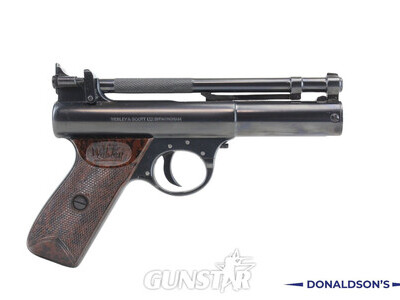
Webley & Scott Webley Premier .22
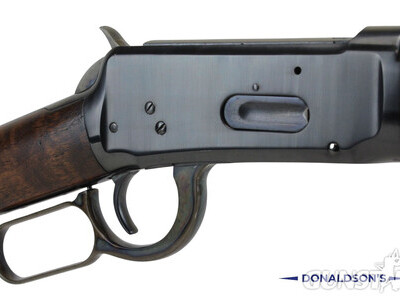
Winchester Winchester 1894 .32-40 Lever Action .32-40 Winchester (.32-40 Ballard) Rifle
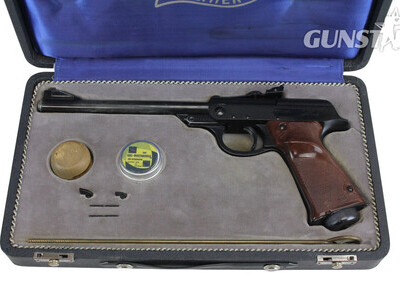
Walther Walther LP53 .177


Not quite what you’re looking for?


