Understanding Ammunition: A Beginners Guide to Calibres and Cartridges

If you’re new to the world of firearms, one of the first things you’ll need to understand is ammunition. Simply put, ammo is the fuel that fires your gun. But with so many types out there, it can be a little overwhelming at first. Whether you’re planning to practice at the range, go hunting or just curious about how your firearm works, getting familiar with the different types of ammunition will make you a more confident shooter.
In this comprehensive guide, we’ll break down the basics of ammunition - everything from the different types to legal considerations and safe storage tips - so you can make informed choices and feel comfortable handling your firearm.


Understanding The Components Of Ammunition
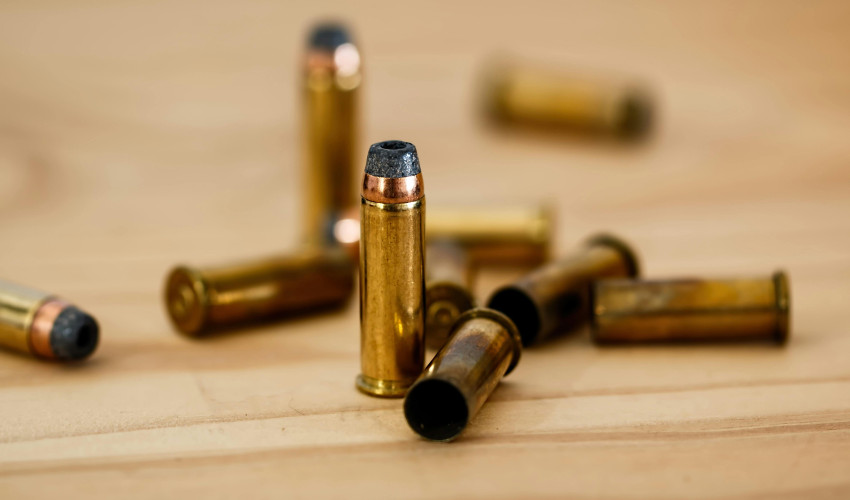
To start off with, let's break down the key components of ammo so you can better understand how it works and why each part is important.
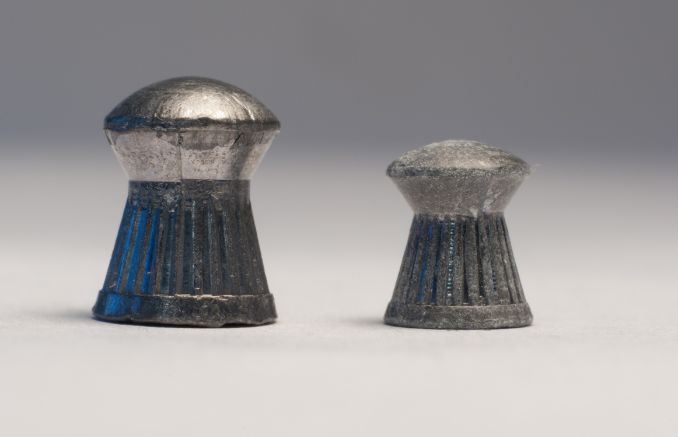
- The Bullet (Projectile)
- This is the part of the ammunition that actually leaves the firearm upon shooting. These are designed to hit a target.
- The Cartridge (Casing)
- This is the casing that holds all the components together. The cartridge case creates a seal to provide the pressure needed to propel the bullet and leaves the firearm after shooting.
- Gunpowder (Propellent)
- This is the substance that burns and creates the pressure needed to push the bullet out of the firearm. When the firing pin strikes the primer, it ignites the gunpowder, forcing the bullet out.
- The Primer
- This is a small component found at the bottom of the cartridge case. It gets struck by the firing pin, igniting the gunpowder.
- The Rim (In Rimfire Ammo)
- In rimfire ammunition, the primer is found in the rim of the casing instead of the center. When the firing pin strikes the rim, it ignites the primer.
Understanding The Different Types Of Ammunition
When it comes to ammo, there’s more than just one type to choose from. Each type is designed for different purposes and understanding these differences can help you choose the right one for your firearm. Let's break down the basics!


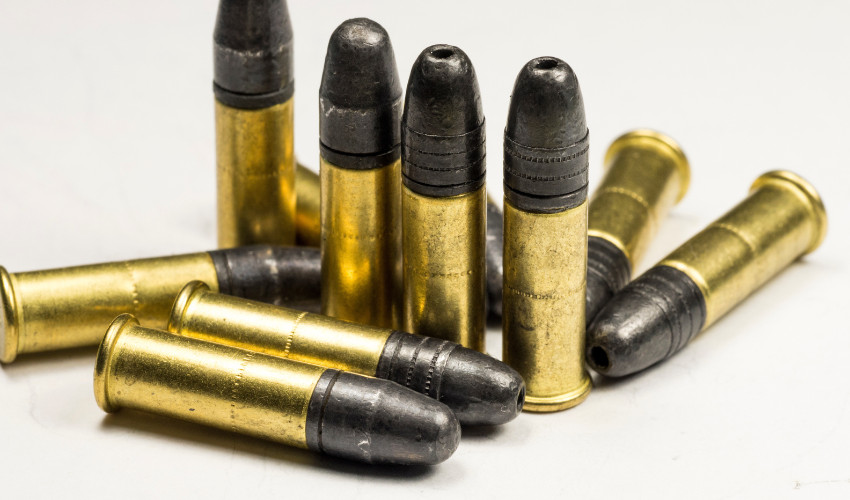


Rimfire Ammunition
- What It Is: Rimfire ammo has the primer located in the rim of the cartridge. When the firing pin strikes the rim, it ignites the primer and fires the bullet.
- Common Calibres: .22 Long Rifle & .17 HMR.
- Best For: Target shooting and small game hunting. This type is great for beginners because it’s affordable, easy to handle and has low recoil.


Centrefire Ammunition
- What It Is: Centrefire ammunition has the primer in the center of the cartridge base, making it more versatile and powerful than rimfire ammo.
- Common Calibres: 9mm, .45 ACP, .223 Remington and .308 Winchester.
- Best for: Hunting and competitive shooting. These rounds are reliable and available in a range of calibers, making them ideal for more serious shooting activities.

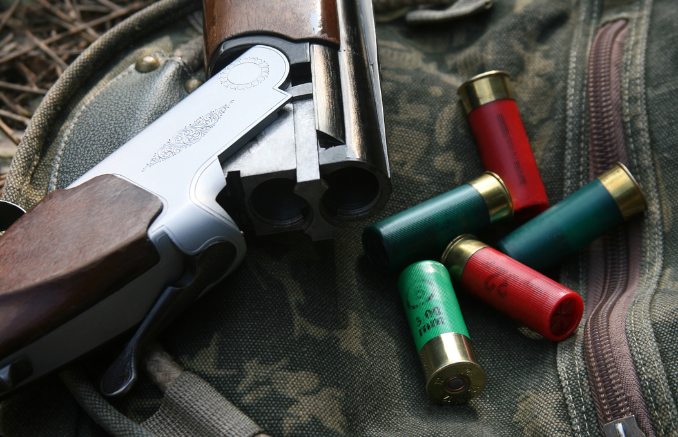
Shotgun Shells
- What It Is: Shotgun shells contain multiple pellets, a single slug, or other projectiles and are designed for shotguns. They come in different gauges, with 12 gauge being the most common.
- The Different Types:
- Birdshot: Small pellets for hunting birds.
- Buckshot: Larger pellets for bigger game.
- Slugs: A single large projectile for longer range accuracy.
- Best For: Hunting birds, small game and clay pigeon shooting. The type of shell you use will depend on what you’re shooting.
Check out our advice page for more beginner’s guides and reviews on specific calibers and cartridges.
Understanding & Choosing The Right Calibres
Choosing the right calibre can be daunting as a beginner since there are so many different options available. We’re going to break it all down for you so it’s easy to understand, meaning that you can make an informed decision.
What Is Calibre?
Simply put, calibre refers to the inside diameter of a firearm, determining the size of ammunition that will fit in it. This is usually measured in either millimetres or inches and determines the power that your firearm has as well as what type of shooting it’s best for.
But how do you know which one is right for you? Here’s a practical guide to choosing the right calibre depending on various factors.


1. Intended Use: What Will You Be Doing?
The first step in deciding which calibre is right for you is to think about what you will be doing as different calibres are best suited for different activities. Let’s break these down.
- Target Shooting: For practice, you’ll probably want a calibre that is affordable, has low recoil and is easy to shoot. The .22 Long Rifle is a popular choice for beginners.
- Hunting: The calibre you choose for this will depend on the size of the game you’re hunting. For small game, like rabbits, a .22 LR or .23 Remington is probably the right choice. But, for larger game, like deer, you’ll need something like a .038 Winchester which is more powerful.

- Recoil: How Much Force Are You Comfortable With?
Recoil is the backward kick that happens when a bullet is fired and varies based on the calibre of the firearm. Larger calibres tend to have more recoil so might be uncomfortable for a beginner.
If you’re just starting out, you might want to go for a smaller calibre to get used to shooting. The .22 LR for example is a great starting point and as you gain more experience, you can try gradually increasing the calibre.
- Availability And Cost Of Ammo
The cost and availability of ammunition can also vary depending on the calibre. Usually, smaller calibres, like the 9mm, can be cheaper and easier to find. Larger calibres, like those for hunting rifles, can be more expensive and harder to find.
If you’re planning on doing a lot of target practice, it might be a good idea to choose a calibre that is more widely available and not too expensive as you will go through quite a lot of ammo.
- Gun Size And Capacity
The size and purpose of your firearm play a key role in determining the most suitable calibre. In the UK, where firearm ownership is strictly regulated, most legal use is centered around rifles and shotguns for activities such as sport shooting, pest control, and deer stalking.
Smaller-calibre rifles, such as .22 LR, are popular for target shooting and small game hunting due to their low recoil, affordability, and ease of handling. For larger game or longer-range precision, calibres like .243 Winchester, .308 Winchester, or .30-06 Springfield offer greater power and range, making them better suited for more demanding shooting needs.
If you require a rifle that’s lighter and easier to carry over long distances, such as for hill stalking, a smaller, lightweight calibre may be the most practical choice. Conversely, if stopping power and accuracy at range are your priorities, opting for a higher-calibre rifle would be more appropriate.
Choosing the right calibre doesn’t have to be overwhelming. Start by considering your intended use and the physical demands of your shooting environment. With this understanding, you’ll be better equipped to select the calibre that fits both your needs and experience level.
- Take Local Regulations Into Consideration
Before making a final decision, make sure you check any local laws or regulations around ammunition. In the UK, there are various regulations in place when it comes to owning and using ammunition for safety purposes. Here’s a simple breakdown of what you need to know:
Licensing Regulations
In the UK, ammo can only be bought and owned by individuals with a valid firearm or shotgun licence. Without one of these, you will be unable to buy or own any ammunition. Visit the Gov.uk website to make sure you’re up to date with the current firearms regulations in the UK.
Storage
Once you’ve bought ammunition, you have to make sure that you store it safely. To do this, ammo should be kept locked up in a secure container, away from your firearm. Doing this will help to prevent unauthorised access.
Buying Ammo
Ammunition sales are regulated so any dealer should always check your licence before selling to you. Check out our trusted dealers here. You should also make sure that you only buy from licensed sellers too and always carry the right paperwork.
Transporting Ammo
Just like with general storage, when you’re transporting ammunition, it should also be stored in a safe and secure container. This prevents accidental discharge and also protects the ammo when being moved from one place to another.
By following these regulations, you’ll make sure that your firearm and ammunition use is always safe, legal and responsible. We recommend staying up-to-date with current, local law to avoid any issues.
Conclusion
Understanding ammunition might seem overwhelming at first but as you learn the basics, it becomes much easier. As a beginner, knowing the different types of ammo, the components of each cartridge and how to choose the right calibre for your needs will help you become a more confident and responsible shooter.
Remember, always follow the local regulations, store your ammo safely and choose the right type for your shooting activity.
With the information in this guide, you’ll be well on your way to becoming an expert. Now that you know which type of ammunition and which calibre is best for you, be sure to take a look at our listings so that you can get shooting.